What is Torch Coral Brown Jelly Disease and How Does It Affect Frogspawn and Symptoms Chart
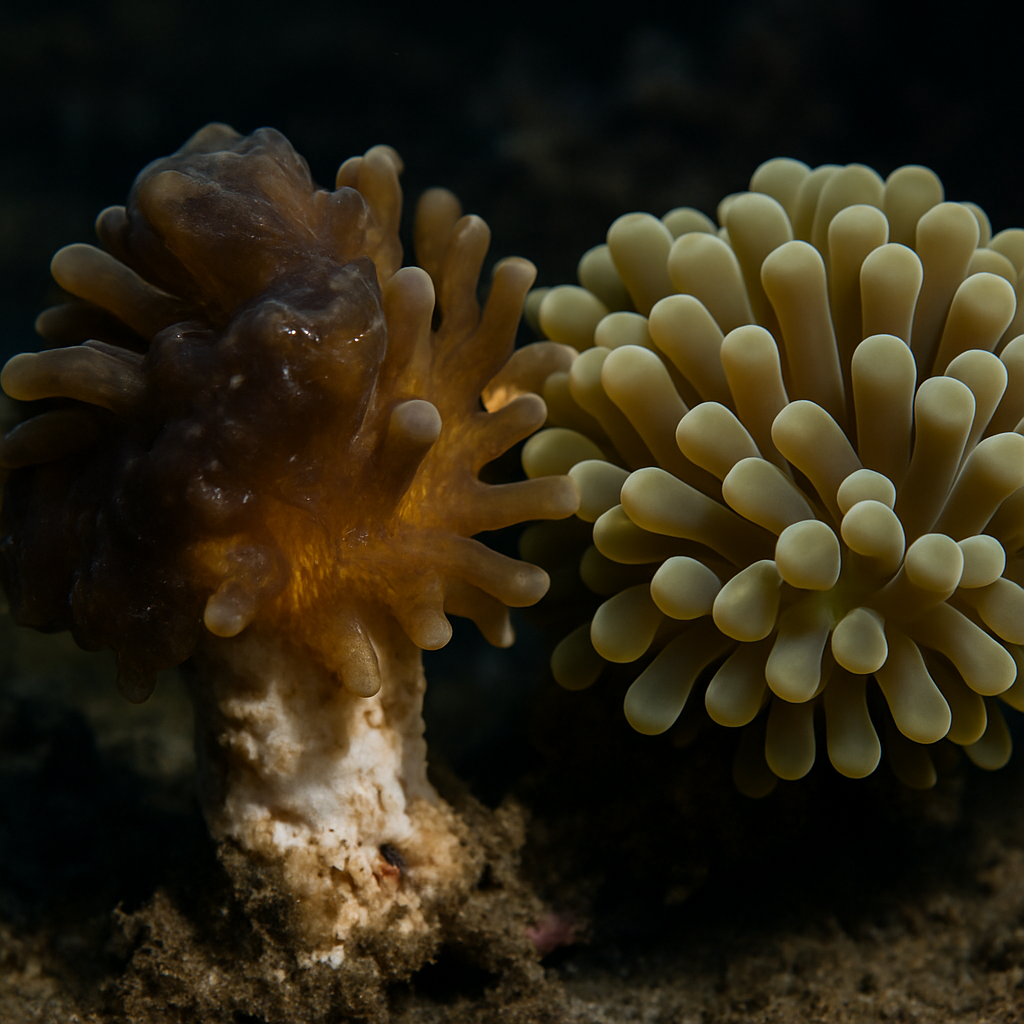
Torch Coral Brown Jelly Disease is a rapidly progressing infection that most often targets large polyp stony corals, like torch and frogspawn corals, leaving them with visible brown, jelly-like mucus and frequently leading to tissue loss within a very short period. Recognizing the symptoms early and understanding its spread can save your prized coral specimens and protect the stability of your reef aquarium. The purpose of this guide is to outline what this disease is, showcase its effect on frogspawn and similar corals, and provide a clear symptoms chart for prompt identification and intervention.
Recognizing Brown Jelly Disease in Torch and Frogspawn Corals
The hallmark of this disease is a layer of brown, jelly-like material covering coral tissue. Most often, torch, hammer, and frogspawn corals start to lose tissue rapidly once infected, with the brown jelly floating visibly around the base or polyps. This symptom usually begins at a single polyp and then quickly moves to nearby polyps and other coral heads in the system.
Symptoms that accompany this jelly mucus include melting or decaying coral tissue, the exposure of bright white coral skeleton, and distinctive foul odor if the tissue sloughs off. In frogspawn corals, watch for shrunken tentacles and recession of coral flesh, which are warning signs before full infection manifests.
Notably, while this disease mainly targets LPS corals, it can on rare occasions also threaten soft corals and SPS specimens, especially if aquarium conditions are poor or the infection is left unchecked. Immediate isolation and treatment are vital in preventing a full tank outbreak, as emphasized in the Manta Systems guide.
Understanding the Causes and Spread
The origins of brown jelly disease are linked to both bacterial and protozoan invaders, though the exact causal organism remains ambiguous. Common triggers often overlap with stress factors such as sudden water parameter changes, physical injuries, or fluctuating light and temperature, creating the perfect environment for pathogens.
Frogspawn and torch corals that have been recently fragged or stressed by tank mates (like strong stinging neighbors) are at particularly high risk. When corals are crowded or forced to fight for space—much like documented in various user experiences—the stress response makes them susceptible to infection.
Aquarium overcrowding and debris accumulation around the coral base provide a breeding ground for the offending pathogens. While copper and other chemicals are sometimes present in the water, their direct relationship to the outbreak is less established as opposed to prolonged stress and mechanical injury.
Routine monitoring, careful acclimation, and maintaining stable, clean water conditions will limit the risk factors, as highlighted in several video walkthroughs shared by experienced aquarists.
Symptoms Chart for Brown Jelly Disease
- Brown, jelly-like mucus: The most visible sign, often first seen at the base of a polyp.
- Tissue recession: Coral flesh seemingly melts away, exposing stark white skeleton bands.
- Rapid progression: Decay can spread to other polyps and nearby LPS corals within hours or days.
- Unpleasant odor: Decaying tissue releases a foul, easily noticeable smell.
- Shrunken, withdrawn polyps: Especially in frogspawn and torch corals, polyps retreat and lose inflation before necrosis begins.
- Sediment or debris accumulation: Brown jelly tends to trap detritus, furthering tissue irritation.
This chart should guide you in distinguishing brown jelly from other coral diseases like fusarium, rot, or dry patch ailments in the marine setting.
Effective Treatment and Cure Methods
Treating brown jelly disease requires prompt action and a multi-step intervention process to maximize coral survival. The essential first step is to quarantine the infected coral to prevent spread to others.
Physical removal of the jelly and dead tissue is necessary. Use a pipette or turkey baster to suction away the jelly mass and then use specialized coral dips (such as iodine or proprietary blends) to disinfect the wound. Antibiotic baths, as detailed in community advice from Reef2Reef forums, may be administered; cipro or amoxicillin are popular choices among reefkeepers.
After chemical dips, keep the coral in clean, well-circulated tank water, and perform daily observation. In severe cases, surgical removal of affected polyps or heads may be necessary, followed by further baths and a rest period before reintroduction to the main tank.
Continue to monitor frogspawn and torch corals closely for at least a week following treatment, as recurrences can occur if residual jelly remains in the system.
Steps for Prevention and Long-Term Care
Prevention relies primarily on minimizing all known stress factors. Keep your reef tank free of decomposing organic matter, and ensure that livestock is not overcrowded. Gentle water flow around torch and frogspawn corals prevents stagnant zones where pathogens thrive.
Acclimate new coral specimens slowly and use preventative dips before adding them to the display tank. Quarantine systems can disrupt the infection cycle, sparing your main reef display from outbreaks. This is especially vital for LPS species known to be susceptible.
Balanced nutrient export methods and avoiding copper contamination will also reduce the likelihood of outbreaks. Furthermore, responding quickly to injury or tissue recession will limit the pathogen's window of opportunity to establish infection.
By familiarizing yourself with early warning signs using a reliable symptoms chart and monitoring the tank environment for dry streaks, patches, and rotten zones, you significantly improve your coral's resistance to this destructive disease.
Understanding the nuances of torch coral brown jelly disease, along with proactive observation and precise treatment methods, is the best defense for sustaining vibrant frogspawn and other LPS corals in any home reef system.


Comments
Post a Comment