How To Fix Large Bare Spots In Lawn Naturally: Repair, Regrow, & Treat Pet Damage
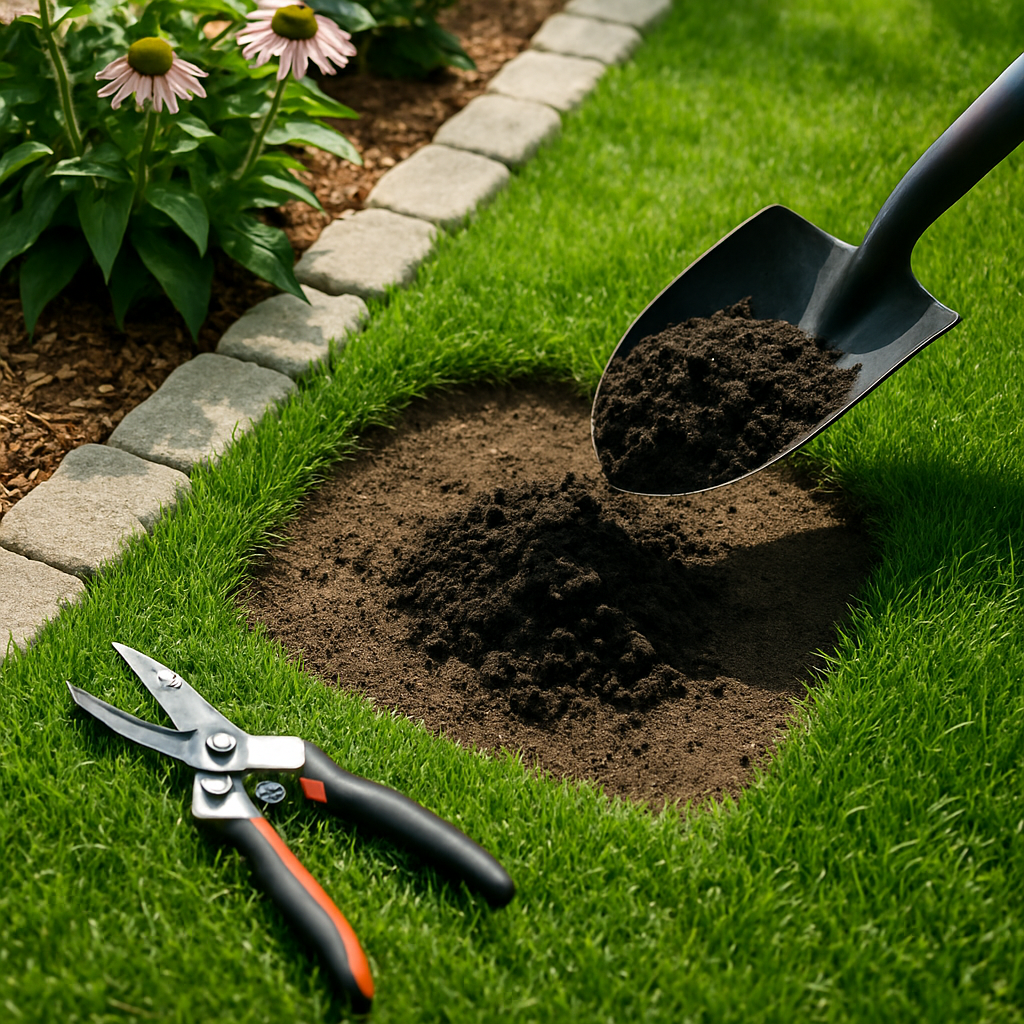
If you want to restore large bare spots in your lawn naturally and effectively, start by understanding and addressing the root causes—often heavy foot traffic, poor soil, or pet urine—then follow proven repair strategies for a healthy, lush yard. Acting at the right time with the right techniques will make your lawn thick and green again, without relying on harsh chemicals. Whether you are battling dead patches from dogs or general soil problems, this guide will walk you step-by-step through the process, including timing, soil preparation, reseeding, and mitigating future damage.
Understanding What Causes Bare Spots and How to Prevent Them
Bare spots in lawns occur when grass fails to grow, leaving exposed dirt susceptible to weeds and erosion. Common culprits include frequent dog urine, compacted or poor-quality soil, fungal diseases, insect pests like grubs, and relentless foot traffic. Good Nature Organic Lawn Care confirms these issues are behind most instances of patchy lawns.
To naturally prevent new bare spots, reduce areas of stress by rerouting heavy traffic and training pets to use designated potty areas. Healthy soil is key; aerate compacted ground, add quality compost, and ensure your lawn gets sufficient, but not excessive, water throughout the growing season. Organic mulches and soil amendments help keep conditions optimal for grass regrowth.
- Limit pet traffic with training and borders.
- Loosen and enrich the soil to encourage root development.
- Address pest or disease problems early for best results.
Prime Timing: When Is the Best Time to Seed or Repair?
Timing is critical for getting new grass established and ensuring it fills in large bare patches successfully. For cool-season grasses, the absolute best time to overseed or repair is early fall, when soil remains warm, but daytime temperatures begin to cool. Spring is a strong second choice, but you may need to watch for weed competition.
If you are treating dead patches after winter, wait until there is no risk of frost, and soil has warmed above 50°F. For southern, warm-season lawns, late spring or early summer is most effective. Avoid high heat or drought conditions, as young grass can dry out quickly during these times.
Always check local lawn care calendars for regional guidance, and avoid seeding just before heavy rainfall or prolonged dry spells. Proper timing ensures maximum seed germination and root growth, making a visible difference in how fully your lawn repairs itself over time.
Step-by-Step Natural Repair: How to Regrow Large Lawn Bare Spots
Start by removing any dead grass, thatch, or debris from the bare patch to expose clean, loose soil underneath. If your patches are from dog urine, lightly rinse the area first to dilute salts, then rake vigorously. Next, break up the soil surface and add compost or natural lawn soil to enrich and level the area.
Apply a top-notch grass seed blend chosen for your region and sun conditions, ensuring you cover the soil evenly but lightly. Press seeds into the surface using your hand or a rake for better contact. Water gently but thoroughly, keeping the patch consistently moist until new grass reaches at least 3.5 to 4 inches. For an in-depth look at seeding techniques and watering, see Scotts' Guide to Repairing Lawns.
For the most natural approach, avoid synthetic patching mixes or chemical sprays. Mulch gently with straw or fine compost to protect young seedlings and hold moisture while they establish. Continue to mow high, helping the new grass outcompete weed seeds as it fills in and thickens the patch.
If you are fixing very large areas or struggled spots, sodding may be a better approach. Lay sod only on well-prepared soil; water daily for two weeks. Once the sod is rooted, transition slowly to less frequent, deeper soakings to boost drought tolerance and promote deep root growth.
Pet Urine Patches: Stopping, Treating, & Neutralizing Naturally
Urine from dogs, male or female, is high in nitrogen and can cause dead circular spots on lawns. While baking soda is rumored to neutralize soil, it is not recommended; instead, flush urine spots with water immediately to dilute their impact. Frequent watering in potty areas and reseeding will help grass recover.
To stop pet urine from causing continual damage, consider training your dog to use gravel or mulch spaces away from the lawn. Installing protective covers or pet-friendly artificial turf in high-traffic zones can keep your main yard healthy. Repair dog-damaged patches naturally by improving soil with organic matter and reseeding as outlined earlier.
Consistent yard care, focused on soil resilience and natural repair strategies, will keep future dog spots localized and easier to manage. While there are pet urine repair sprays available, a more sustainable method is soil improvement and regular training.
Preventing Future Patches: Long-Term Success Without Chemicals
Regular maintenance is your best defense against new bare patches in your yard. Keep grass a little taller, overseed thin areas each year, and aerate compacted ground to maintain soil structure. Limit overwatering or fertilizer applications to avoid stress that leads to further dieback.
Routine monitoring for grubs—whose feeding can strip away roots and create patchy dead zones—is essential. Treat affected spots naturally with beneficial nematodes or by encouraging birds and other predators. For heavy dog areas, invest in training and barriers or try designating a mulch run for relieving pets. Lastly, always keep an eye out for soil drainage or fungal issues, as they can quickly turn healthy turf into a patchy mess.
If you continue to see persistent large bare areas despite taking these natural approaches, consult with a local organic lawn care professional for customized advice and soil testing. These simple methods will help encourage your lawn to regrow dense, healthy grass without resorting to excessive chemicals or quick fixes.


Comments
Post a Comment