Lawn Patches: Effective Home Repair Solutions, Real Yard Kit Advice, and Best Products
Understanding Bare Spots on Lawns: Causes and Fast Fixes
Lawn patches, those unsightly bare or dead areas in your yard, are a common problem that can result from several causes—ranging from weedkiller overdose, drought, and foot traffic to underlying soil issues. The quickest way to restore your lawn's appearance is to first pinpoint the root cause, then apply the most effective repair solution such as reseeding or patch kits. Homeowners looking to achieve professional-looking results can follow proven steps and use recommended products for optimal recovery.
Common Triggers Behind Patchy Grass
Before reaching for a grass patch kit, it is essential to determine why the problem started. Dead patches often stem from excessive application of weedkiller or mosskiller, either directly or by transfer from footwear, leaving visible stripes or footprints. According to the RHS advice, patches can also occur due to physical stress, such as drought, animal activity, fungal disease, or underlying soil compaction.
New lawns are particularly sensitive; irregular brown patches are sometimes a result of buried construction debris or soil compressed by heavy machines. In these cases, the damaged area will need more than just surface repair—sometimes aeration or soil amendment is required.
A lack of soil moisture, especially during extended dry spells or under tree canopies, also causes grass to brown. While rain typically revives these areas, consistent hydration and aeration help prevent recurrence. Understanding these root causes guides your next steps for a greener, more resilient lawn.
Whether you notice a regular pattern after using a new product or something appears following dry weather, tracing the source is the most important first move.
Step-by-Step Yard Repair: From Reseeding to Patch Kits
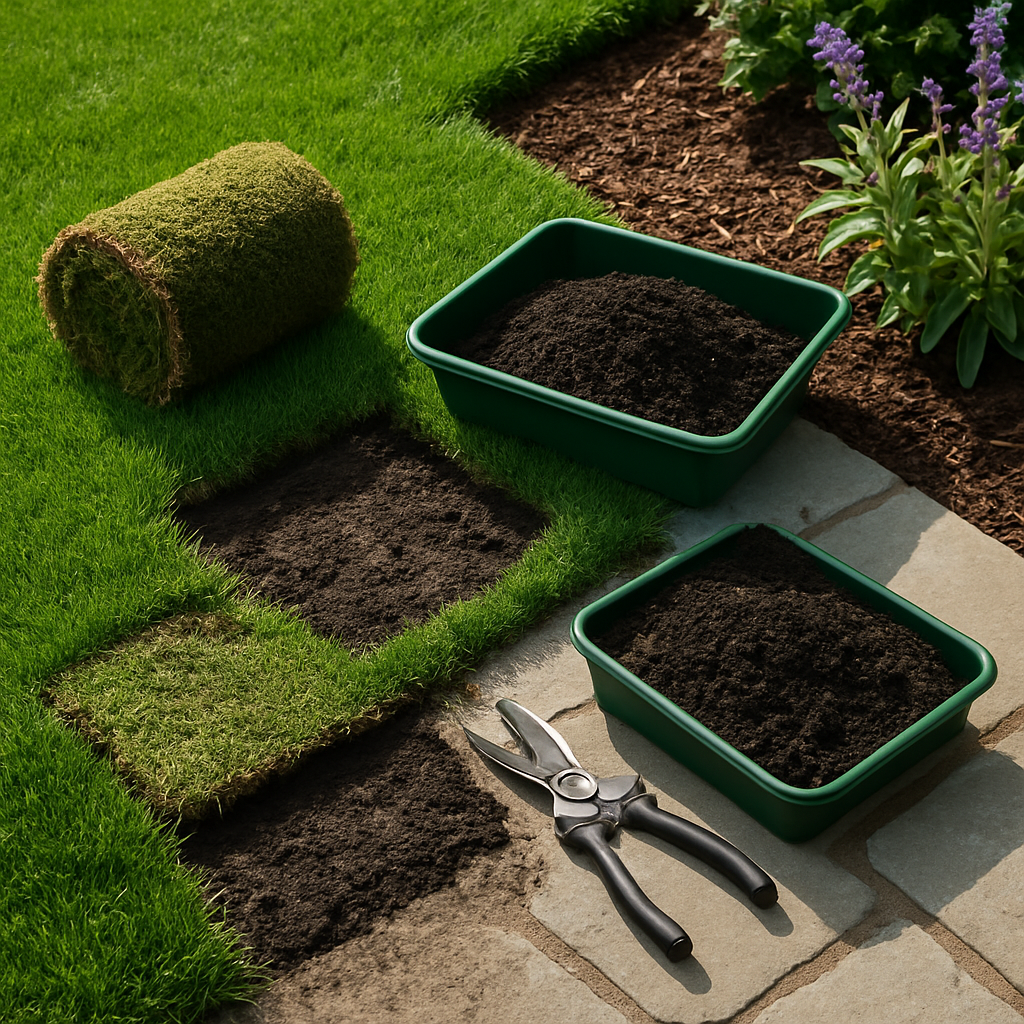
Restoring lawn patches is easier with a systematic approach. The process starts with clearing any debris or dying grass using a spring-tined rake. This prepares the surface so new seed or sod can establish strong roots. For many homeowners, a grass patch for real yard repair kit offers convenience—these kits combine seed, mulch, and fertilizer in a ready-to-use format that minimizes guesswork.
Major brands recommend moistening the patch area before applying seed or sod. Keep the area consistently damp until new grass is firmly rooted. Some types, like St. Augustine grass, may require specialized products or fresh sod for best results, as detailed in instructions from sources such as Scotts Miracle-Gro. Avoid overwatering or letting the area dry out completely, as both extremes hamper new growth.
For persistent or recurring problems, it pays to address underlying soil health. Compacted earth may need aeration, while poor fertility might be improved with compost or targeted fertilizer. Whichever approach you choose, repairing patches is achievable for most DIY gardeners with some patience and the right supplies.
Several reputable products are available at home improvement retailers and garden centers. Check product reviews and confirm lawn compatibility (cool-season vs. warm-season grass) before buying.
DIY Tips: Selecting and Using the Best Lawn Patch Products
Choosing the right patch kit or repair method can make a significant difference in your results. Look for seed mixes matched to your lawn type and climate. Best-selling kits often include mulch and starter fertilizer, which speed up germination and root development. For optimal coverage, follow label directions on seeding rates; too much or too little can affect grass density.
When considering where to buy lawn patches, home depot and local garden centers are popular places to find vetted products and in-person advice. Don’t overlook online retailers for additional reviews and price comparisons if you want more options. For a "near me" approach, local sod farms may stock fresh rolls and blends targeted to your region.
Some areas of the yard may need full-size sod rolls, especially for larger or high-traffic patches. Fresh sod provides instant coverage but requires careful initial watering to establish. Repairing smaller spots with a patch kit is generally faster and lets you blend repairs with existing turf seamlessly.
Several top-rated patch repair products are reviewed on both expert sites and video guides, with some DIY gardeners sharing simplified approaches involving only seed and soil. Whichever method you select, timing repairs for spring or fall greatly improves results because mild temperatures aid seed germination and root growth.
Preventing Future Problems and Maintaining a Lush Yard
Once you’ve fixed visible bare areas, ongoing lawn care will prevent recurrence. Regular mowing, consistent watering, and the occasional feeding keep turf dense and resilient. Consider aerating compacted soil each fall or spring, which enables roots to breathe and absorb nutrients more easily.
Pay special attention to areas prone to traffic, pets, or excessive sun exposure. Installing stepping stones or fencing may protect at-risk spots from further stress. Where dogs are the cause of repeated damage, training or adjusting routines can help minimize future repair needs.
Routine raking lifts debris and thatch, enhancing grass growth and overall soil health. If fungal issues are present, adjust watering and avoid late-evening irrigation, as excess moisture fosters disease. For persistent patchiness, periodic overseeding may be required.
Utilizing routine maintenance and prompt repairs ensures every yard remains healthy and green year-round, while the right products and methods bring reliable, professional-looking results.


Comments
Post a Comment