Prickly Pear Cactus Care: Expert Indoor Watering, Propagation, and Outdoor Growing Tips
Understanding Prickly Pear Cactus Needs: The Fast Track to Success
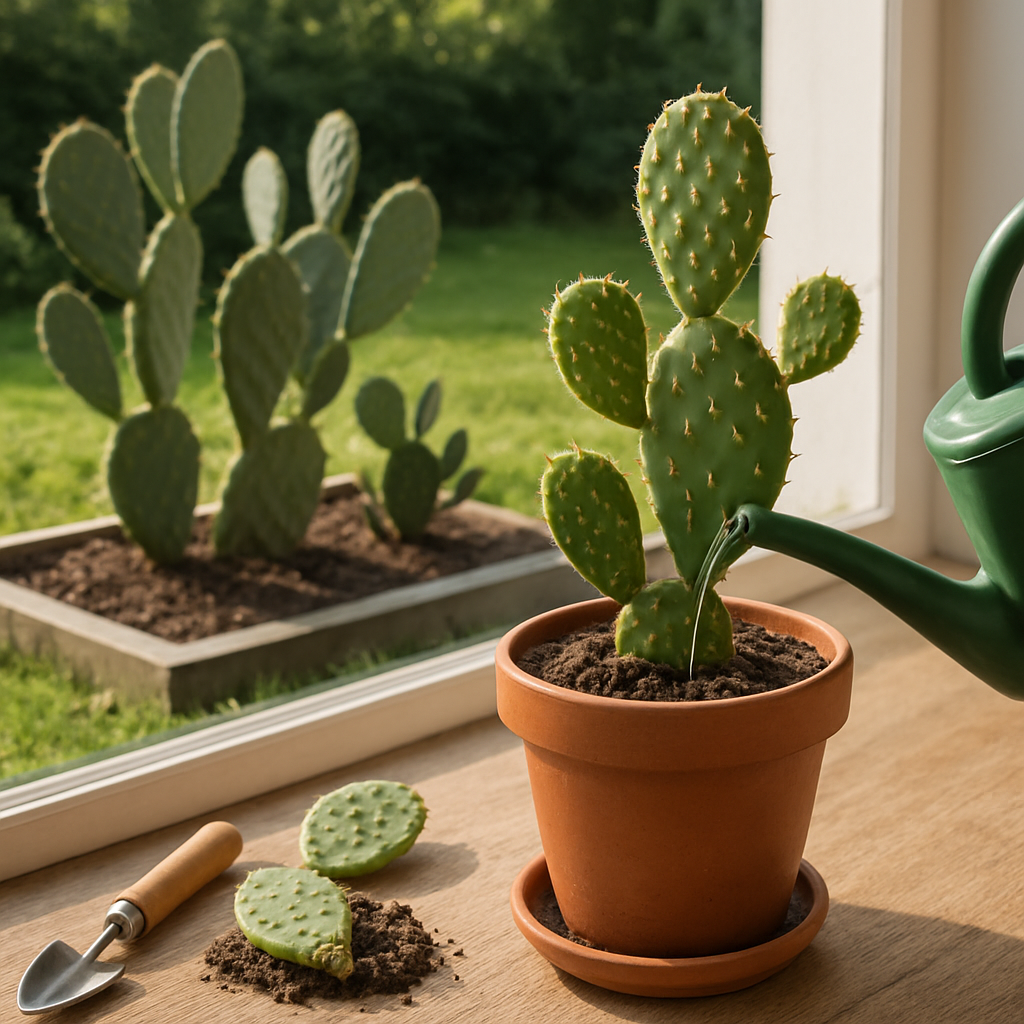
Prickly pear cactus, known botanically as Opuntia, thrives with minimal effort as long as you respect its natural strengths: bright light, well-drained soil, and careful watering. Whether you dream of growing a robust outdoor plant or cultivating a unique houseplant indoors, master the basics—location, soil, and watering schedule—for reliable results. This guide cuts through confusion around prickly pear cactus care, indoor watering, propagation from cuttings or seed, and adapting for outdoor gardens. Embrace a setup that mirrors its desert origins, and you'll enjoy everything from spectacular flowers to edible fruit while avoiding common issues like overwatering or drooping pads (source).
Prickly Pear Cactus Houseplant Tips: How to Grow Indoors
Setting up your prickly pear cactus for life indoors means paying close attention to light and potting mix. Place your cactus in a bright south or west-facing window where it receives full sun—five or more hours daily is ideal. If your home is on the dim side, supplement with a simple grow light to prevent skinny, tall, etiolated stems that are a classic sign of inadequate light.
Pick a pot that drains well, and use a gritty cactus blend or mix your own from one part potting soil, one part coarse sand, and a dash of perlite. The right medium mimics the arid soil conditions that Opuntia naturally loves. Between waterings, let the soil go completely dry; then water thoroughly, ensuring excess drains out. This prevents problematic soggy roots—a common cause of drooping pads in houseplants.
Indoors, fertilize sparingly. During spring and summer (the main growth seasons), use a balanced, diluted fertilizer about once a month, never directly on dry soil. Prickly pear grows slowly indoors but rewards you with resilience and unique architectural beauty, plus the occasional flower given enough light (read more).
Outdoor Prickly Pear: Zone, Temperature, and Soil Requirements
Gardeners in USDA zones 7–11 can reliably grow prickly pear cactus outside, but cold-hardy types extend its range even into colder zones with winter cover. Eastern varieties tolerate brief dips below freezing (sometimes down to -20°F), while classic desert forms need winter protection or must be brought in when frost threatens. Always consider local climate before planting outdoors.
The cactus needs a sunny location with lean, rocky, or sandy soil where rainfall drains quickly. Avoid heavy, clay-based soils, which are notorious for retaining water and rotting roots. In wetter regions, mound up the planting bed or select raised planters. Established plants require little attention outside seasonal watering during drought—roughly every 2–3 weeks in summer or whenever pads feel shriveled.
In mild climates, the prickly pear cactus remains evergreen, growing slowly through the warm season. If winter damp or snow threatens, cover the roots with gravel or move potted plants inside until temperatures rise. Watch for drooping or shriveling—often a natural sign the cactus is conserving energy during a cold snap, with recovery come spring (source).
Watering Schedule: How Often, How Much, and Signs of Trouble
Routine watering might be the trickiest part of prickly pear cactus care, especially if you're used to leafy houseplants. As a rule, let the soil become bone-dry all the way through before watering again—including for cuttings and young plants starting indoors. During active growth (spring to early autumn), plants may need water every 2–3 weeks, but less if humidity is high or the cactus is outside catching summer rains.
Give each watering deep enough to encourage roots to stretch down, but never let the pot or soil become swampy. Overwatering leads to soft, droopy pads and sometimes even root rot. If pads become skinny or limp while the soil is dry, the plant may be adjusting to a dormant season or needs a drink—context is key.
- Indoor watering: Water only once the top 2–3 inches of soil are dry. Seasonal variation matters; in winter, you may go 4–6 weeks between waterings, as cacti slow their growth.
- Outdoor watering: In intense summer heat, mature plants may still thrive on periodic rainfall or a deep soak every two to three weeks. Newly planted pads require more frequent attention until established, especially in sandy soil.
Propagation: Cuttings, Seeds, and Water Rooting Explained
Opuntia propagation is straightforward, especially via cuttings. To propagate a new paddled cactus, snip a healthy, mature pad at the joint during the growing season. Let the cutting heal and scab over for a few days in a shady spot before planting upright in dry, sandy soil. This prevents rot and helps new roots develop along the pad's base. Water sparingly until new growth appears.
Can you propagate prickly pear in water? While some succulents can root in water, prickly pear pads generally fare better in dry soil. Direct sunlight, warmth, and patience are all you need; water rooting risks rot and mushy pads. Seeds are another option, but starting prickly pear from seed is slower and less predictable than cuttings—germination often requires soaking, then planting in well-drained mix, with inconsistent rates and slow early growth.
Propagation kits can help beginners by supplying sterilized tools, rooting hormone, and a starter substrate. No matter the method, ensuring bright light and low moisture is far more important than fussing over technique. Pads taken from robust, well-cared-for parent plants—indoors or out—have a high success rate and quickly adapt to their new environment.
Common Prickly Pear Types, Fruit, Flowering, and Edibility
The prickly pear cactus family is broad, featuring types from the classic eastern snow-tolerant Opuntia humifusa to the purple-padded Opuntia violacea and the spineless or variegated forms preferred by some gardeners. Each brings its own flower color—usually yellow, red, or rare purple—and can fruit prolifically once mature (see examples here).
Fruit, known as "tunas," ripen in late summer or fall depending on your zone, shifting in color from green to red or purple. Once ripe, fruit can be harvested, peeled, and eaten, or juiced for its sweet-tart flavor. The pads themselves ("nopales" in Spanish cuisine) are edible once their spines and glochids are carefully removed, and add a crisp, tangy element to salads or stews.
Be sure to research your chosen species for safety (some wild-grown types may be more fibrous or less palatable) and learn the best techniques for handling spines—even "spineless" varieties may have tiny irritating glochids. Eating prickly pear is both a practical and enjoyable way to appreciate this desert survivor.
Long-term Care: Growth Rate, Tall Thin Pads, and Common Problems
Growth rate depends on species, climate, and whether your cactus lives indoors or outside. Outdoor plants in hot, sunny regions can add several new pads per season, while indoor houseplants grow more slowly, often just one or two pads a year. Pads that grow tall, skinny, or etiolated are usually responding to low light—correct this by increasing exposure or moving outdoors in warm months.
Winter brings its own cycle: pads may look shrunken or droopy as the plant enters dormancy, but bounce back as spring warmth arrives. Drooping, mushy, or yellow-brown pads out of season may signal overwatering, poor drainage, or sudden temperature drops. Regularly inspect your plant and correct these environmental factors before escalating to more involved remedies.
When grown in the right conditions, prickly pear cacti are rugged, beautiful, and forgiving. Whether you're propagating from cuttings, caring for a rare variety, or simply seeking a low-fuss landscape plant for your garden, understanding their real-world needs is the surest path to thriving plants.


Comments
Post a Comment