Plant Care Products: Indoor Best Practices and Watering Guide for Thriving Houseplants
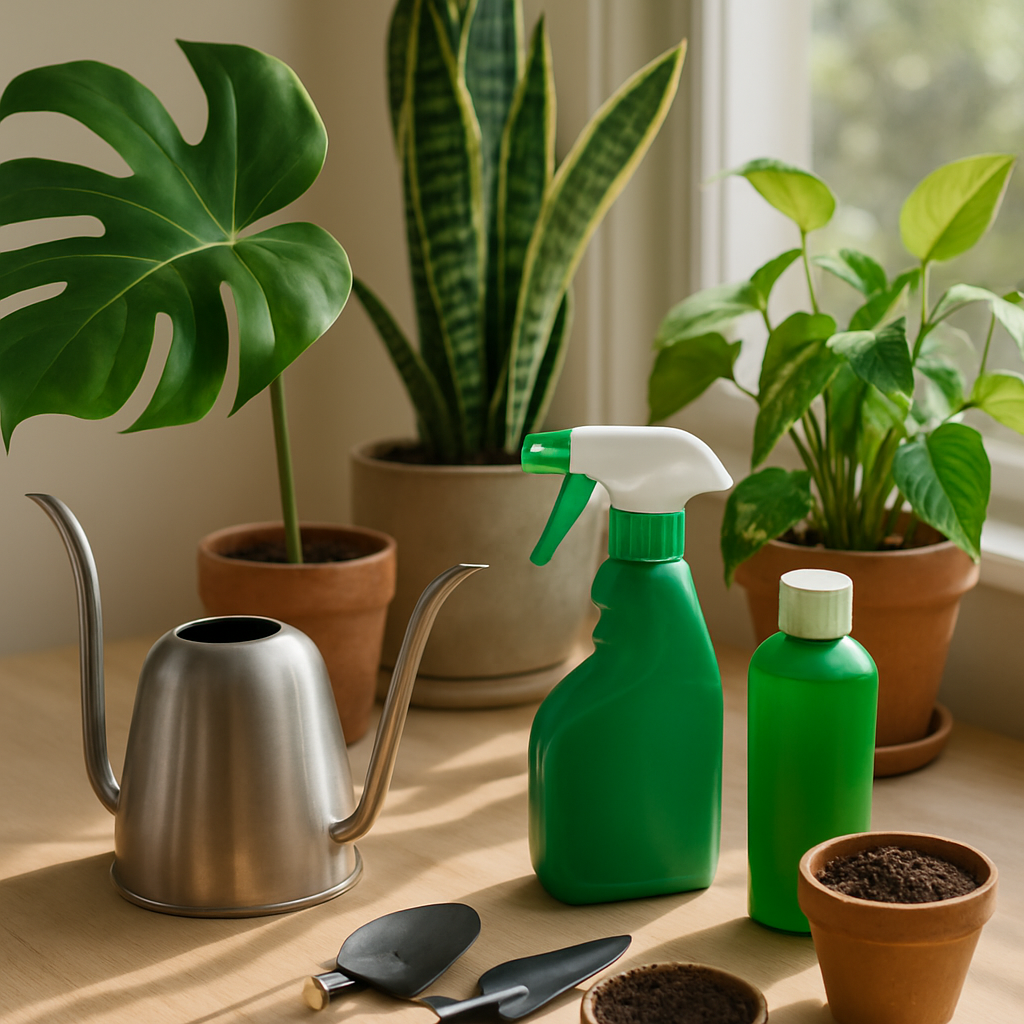
Healthy houseplants start with choosing the right plant care products and learning how to use them, especially for indoor environments where your plants rely entirely on your attention to thrive. The best indoor plant care strategies combine tailored watering routines, appropriate growing mediums, and effective supplements—all of which can make the difference between a struggling houseplant and a lush, vibrant specimen. By understanding the essentials of indoor plant care products and adopting specific routines for watering and maintenance, you can foster robust plant health year-round. Whether you’re outfitting a windowsill garden or filling every room with greenery, the key is finding the proper balance using dependable tools and up-to-date advice directly from authoritative sources such as Garden Design.
Indoor Best Practices with Soil and Water
To achieve healthy houseplants, selecting the ideal soil is just as important as choosing the right plant. Many indoor species need a well-aerated substrate that drains efficiently yet retains enough moisture for root uptake. Potting mixes crafted specifically for indoor use often include peat, perlite, or coconut coir to keep roots breathing while holding nutrients. Attention to soil structure and freshness reduces the risk of harmful fungi or compaction, both common obstacles in the indoor setting.
Watering is a continual balancing act and one of the most misunderstood elements of indoor care. The classic advice is simple: assess soil moisture before watering by probing just beneath the surface. Most houseplants (excluding drought-lovers like cacti and succulents) benefit when you thoroughly saturate the soil, then allow excess to drain, preventing root rot. This method is illustrated well by reputable sources such as Garden Design, which emphasizes the importance of deep, consistent moisture over frequent, shallow applications.
Plant care products designed for indoor use, such as moisture meters or wicking systems, can help maintain this delicate equilibrium. By combining smart watering strategies with specialized products, owners gain a straightforward way to safeguard their houseplants from common pitfalls like dehydration or overwatering. Following a steady schedule, tailored to the species and environment, builds strong, resilient roots that anchor overall plant vigor.
Comprehensive Guide to Plant Care Accessories
Effective plant care products extend beyond watering cans and soil mixes—the modern indoor gardener has access to a wide selection of innovative accessories. Self-watering pots, digital hygrometers, and pest control solutions have shifted the care routine from guesswork to precision. Self-watering pots, in particular, work by delivering moisture directly to the root zone, reducing human error and supporting steady growth.
Consider including humidity trays or pebble layers to boost moisture for tropical species, particularly during dry indoor heating seasons. These supportive accessories work in tandem with the correct substrate and watering strategy, creating a more natural microclimate and preventing stress symptoms like leaf tip browning or drop. The right combination of tools simplifies even complex routines, making plant care less stressful and more enjoyable.
Don’t overlook the impact of support accessories like stakes and trellises, especially for climbing or vining plants indoors. These items, used alongside nutrient-rich products such as liquid fertilizers formulated for houseplants, keep indoor jungles looking lush and under control without overwhelming your living space.
Watering Houseplants: What Works for Beginners
Learning when and how to water is a foundational skill for beginners. The process starts with understanding the water needs of the specific plants you’ve chosen; succulents and cacti, for instance, require less frequent watering than most foliage plants and benefit from being allowed to dry out between waterings. For broad-leafed or tropical plants, the opposite is frequently true, and soil moisture monitoring becomes essential.
Tracking watering habits helps prevent the most common indoor plant ailments—root rot from overwatering and wilting from neglect. Digital plant care products, such as smart plant care apps or wireless sensors, alert you when moisture levels reach critical points, making it easier than ever to match your routines to your plant’s needs. For beginners, focusing on mastering a basic cycle—watering thoroughly only when soil dries out—is an excellent starting point that provides visible results in plant wellness.
Further, growing confidence comes from observing how soil, pot, and drainage work together. When watering, ensure that pots have sufficient drainage holes; this allows any surplus water to escape, protecting against stagnant conditions. Reference guides like those on Christianson’s Nursery offer helpful foundation knowledge for anyone starting their indoor gardening journey.
Nutrient Solutions and Fertilizer Options
Beyond water and light, supplying the right nutrients is a vital aspect of indoor plant care. Many indoor plant care products include liquid, slow-release, or organic fertilizers. Each format has unique benefits: liquid fertilizers provide immediate nutrient access and are perfect for addressing deficiencies quickly, while slow-release options supply steady nourishment over weeks or months.
Experienced growers and beginners alike should pay attention to the timing and concentration of any fertilizer product. Too much can cause root burn and leaf discoloration, while too little inhibits growth and makes plants more susceptible to disease and pests. At each step, adjust your approach based on plant response and seasonal changes—most houseplants grow vigorously in warmer months and nearly stop in winter, so their feeding regimes should be altered accordingly.
By carefully reading product labels and following the specific recommendations for each species, you’ll build strong, productive plants that display larger leaves and more frequent blooms. This thorough approach helps transform even novice setups into lush, eye-catching indoor gardens.
Preventing Common Indoor Plant Problems
Prevention is better than intervention when it comes to indoor plants. Issues like pests, mold, or stunted growth usually emerge when watering, soil, or humidity go out of balance. Reliable plant care products make it easier to detect and address problems early—moisture meters highlight watering problems, while targeted organic sprays quickly rebound your collection after a pest outbreak.
- Choosing Quality Substrates: Using only premium indoor potting mixes prevents compaction and supports aeration, giving roots ample room to breathe and absorb nutrients. Cheaper alternatives may encourage fungus or create waterlogging.
- Using Drainage Enhancers: Adding coarse materials like perlite or LECA pellets ensures fast drainage, which helps lessen the risk of root disease and structural collapse, especially when watering more delicate or rare plants.
Above all, pay attention to light requirements—many plant care product kits include guidance on where best to site particular species, making it easier to pair shade lovers or sun seekers with their ideal locations. Thorough research, supported by expertly curated sources such as Gardenia, allows you to confidently troubleshoot and resolve common setbacks before they escalate.
A thoughtful combination of specialized plant care products, careful watering, and ongoing attention ensures that every houseplant, no matter how challenging, can thrive in your indoor sanctuary.


Comments
Post a Comment