What is White Sweet Potato: Nutrition, How to Cook, and Easy Recipes for Healthy Meals
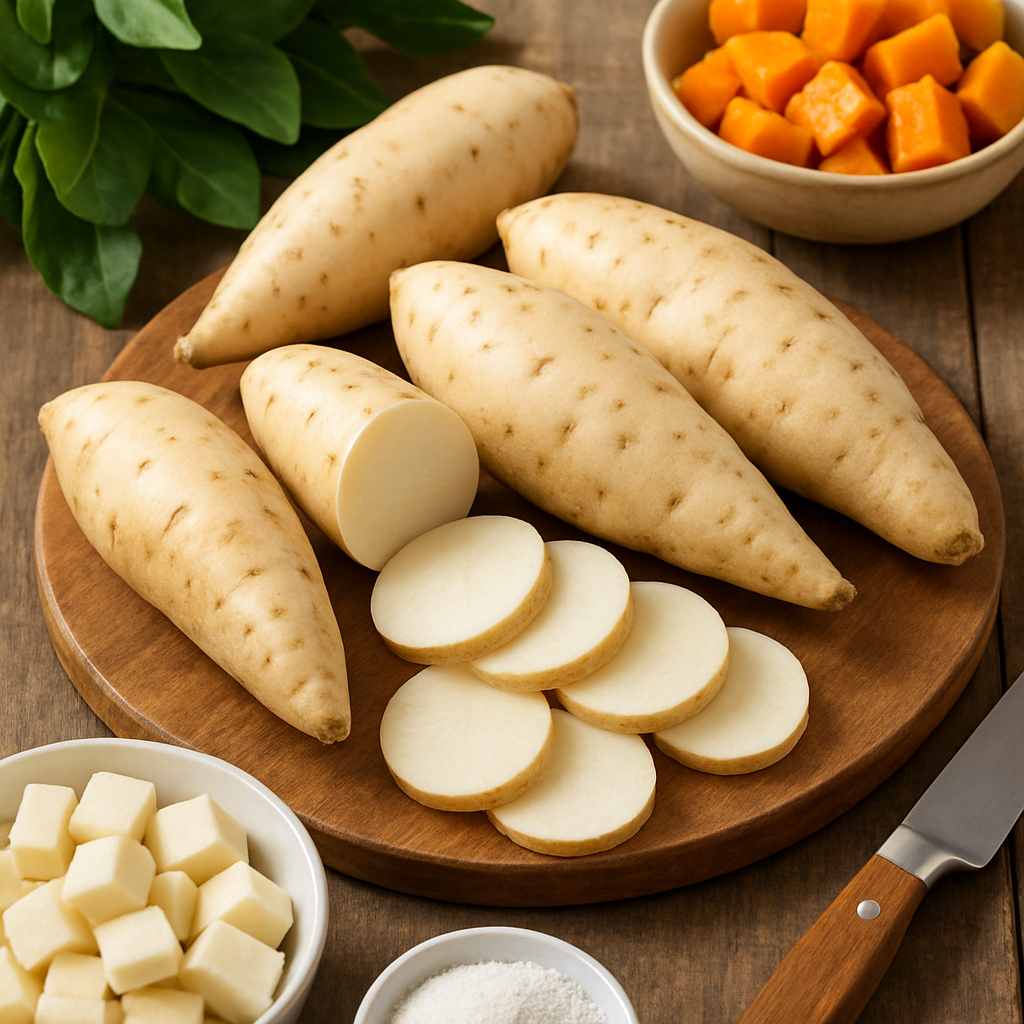
If you're curious about sweet potato white varieties, their unique nutrition, and how to cook them for healthy meals, you're in the right place. White sweet potatoes are a starchy, sweet-tasting root vegetable that differ from their orange relatives in texture and subtle flavor. These versatile tubers not only offer a different nutritional profile but can seamlessly fit into both traditional and modern recipes. Whether you want to try new cooking methods, explore boiling, roasting, or baking, or are seeking lighter dinner options, understanding white sweet potatoes can add a new dimension to your meals.
Nutrition Values and Health Benefits of White Sweet Potatoes
White sweet potatoes contain fewer carotenoids than their orange-fleshed counterparts, leading to a milder taste and creamier texture after cooking. Although they lack the bright pigments and high beta-carotene content, white sweet potatoes remain a good source of fiber, vitamin C, potassium, and manganese, providing complex carbohydrates and important nutrients to your diet. Their moderate glycemic index means they won't cause sharp spikes in blood sugar, making them suitable for people looking for steadier energy release throughout the day.
Eating white sweet potatoes can support gut health because of their fiber content. The fiber works to maintain regular digestion while serving as food for beneficial gut bacteria. These nutritional qualities mean that white sweet potatoes can help support immune function and provide antioxidants, although not as strongly as orange varieties. With every medium serving, you'll also benefit from essential minerals that play roles in muscle health, blood pressure regulation, and cellular repair, all of which contribute to a balanced diet [source].
Comparisons between orange and white sweet potatoes often focus on nutritional density, but both types contribute positively to dietary diversity. White sweet potatoes may be especially appealing to those who prefer less sweetness and a subtler taste in both savory and sweet recipes. Their adaptability makes them valuable for anyone looking to enhance meals without overwhelming other flavors on the plate.
Cooking Methods: Boiling, Baking, and Using an Air Fryer
Boiling white sweet potatoes is a classic method that yields a moist, tender texture ideal for mashing or blending into soups. To prepare, simply peel the potatoes, cut into even chunks, and simmer in salted water until fork-tender. Retaining the skin can boost fiber content, though some diners may find the taste slightly earthier than orange varieties. For a quick, lighter dish, boiling minimizes added fats and lets the potato's nuanced flavor stand out.
Baking at 400°F is another popular way to enjoy the fluffy interior and lightly crisp skin. Baking draws out the natural sugars without the heavier sweetness of orange types, resulting in a delicate, nutty flavor. For optimal results, prick the potatoes with a fork, brush with oil, and place directly on an oven rack or baking sheet. Depending on size, most white sweet potatoes take about 45-55 minutes to bake thoroughly. Wrapping in foil can soften the skin, but leaving them unwrapped encourages a crispier texture.
Air frying provides a modern, lower-fat alternative to deep frying, producing golden edges and a satisfying bite. Simply slice the potatoes into wedges or cubes, lightly coat with oil and seasoning, and air fry at 375°F for 15-18 minutes for perfect results. This method makes for easy, healthy fries without sacrificing taste or texture. White sweet potatoes adapt well to this technique, yielding a crisp surface and creamy middle.
Recipe Inspiration for Dinner and Weight Loss
White sweet potatoes offer inspiration for healthy dinner recipes by serving as a nutrient-rich substitute for traditional white potatoes and orange sweet potatoes. Their mild flavor works well in vegetable medleys, grain bowls, curries, stews, and protein-rich stir fries. Whether mashed, roasted, or blended into soups, white sweet potatoes add substance to meals while keeping fat content manageable.
When focusing on weight loss, white sweet potatoes can be incorporated into meals for their satisfying effect. Their high fiber and complex carbohydrates can keep you full with fewer calories compared to processed foods. Incorporate white sweet potatoes into salads or grain bowls with lean proteins and green vegetables for balanced, low-calorie meals. Opting to bake or boil the potatoes instead of frying keeps the preparation light yet filling.
Meal prepping with white sweet potatoes also supports consistent healthy eating. Bake, cube, and portion the potatoes at the beginning of the week, then toss with other nutrient-dense ingredients for fuss-free lunches and dinners. The versatile, neutral flavor of white sweet potatoes means they work just as well with Mediterranean, Asian, or Latin-inspired seasonings, offering culinary excitement meal after meal.
Choosing, Buying, and Storing White Sweet Potatoes Near You
Shoppers in regions like California and Texas may find white sweet potatoes at local farmers markets, specialty grocery stores, or even mainstream supermarkets. When purchasing, look for firm, smooth-skinned potatoes free from soft spots, bruising, or sprouting eyes. Selecting medium-sized potatoes ensures even cooking, while storage in a cool, dark, dry space preserves freshness and flavor. Avoid refrigeration, which can alter the texture and taste.
For those searching "where to buy white sweet potatoes near me," regional co-ops and international grocers are often excellent sources. Explore produce bins for varieties labeled as Japanese, Hannah, or O'Henry; these often have white or cream-colored flesh. Keep an eye out for organic options or locally grown selections—the fresher the better. Some stores also offer frozen or pre-cut versions for convenience, which retain much of their nutritional value if processed soon after harvest [source].
When storing sweet potatoes at home, avoid stacking them directly atop one another, as this can trap moisture and hasten spoilage. Use a ventilated bin or basket, and check periodically for any early signs of softening. Properly stored, white sweet potatoes can last several weeks, making it easy to keep them on hand for quick and healthy weeknight dinners.
Sweet Potato White versus Orange: Differences in Recipes and Uses
The most notable difference between white and orange sweet potatoes lies in their nutritional content and flavor profile. Orange-fleshed tubers are packed with beta-carotene, lending them both their vivid color and a sweet, bold taste. Conversely, white sweet potatoes provide a subtler flavor, a firmer, drier texture, and lower sugar content, making them ideal for savory dishes or lighter meals [source].
From Japanese-inspired recipes like baked sweet potato and miso bowls to simple boiled preparations, white sweet potatoes fit a variety of cuisines. Their structure holds up well in roasting, frying, and boiling, often serving as a satisfying base for toppings, fillings, or even vegan-friendly taco shells. Because their flavor isn't overpowering, they're easily paired with robust spices and sauces—think cumin, black pepper, curry, or smoky paprika.
For those interested in nutritional comparisons, both orange and white varieties are valuable sources of fiber, minerals, and antioxidants, but the specific benefits differ. The choice between the two can depend on dietary goals, taste preferences, or even available recipes. Both make excellent additions to healthy eating plans, each offering a distinctive experience on the plate while helping you maintain variety in your meals.
Fun Facts and Frequently Asked Questions About Sweet Potato White
White sweet potatoes are often confused with yams, especially in North America, but the two are botanically unrelated. True yams are monocots from Africa and Asia, whereas sweet potatoes—including the white types—are native to Central and South America and belong to the morning glory family (source). Their flowers and leaves even resemble those of the morning glory vine.
- Are white sweet potatoes healthier than orange?
While the orange varieties are richer in beta-carotene, both types are low-calorie, dense in fiber, and nutritious. Choosing based on recipe or flavor preference gives you flexibility without sacrificing health benefits. - What's the best way to cook white sweet potatoes for maximum nutrition?
Baking or boiling, with the skins left on, preserves the most nutrients. However, cooking methods like air frying can offer a tasty balance of nutrition and convenience. - Can I use white sweet potatoes in traditional recipes like pies and fries?
Absolutely. Their mild flavor adapts well to classic desserts, hearty roasted sides, and modern dishes, making them a flexible ingredient in any kitchen.
Whether you're seeking a healthier dinner, experimenting with global flavors, or simply want to experience a new variety, white sweet potatoes provide notable versatility and reliable nutrition for your plate.


Comments
Post a Comment