How Crohn's Plant Based Diet Impacts Gut Microbiome Foods and Cardiovascular Health
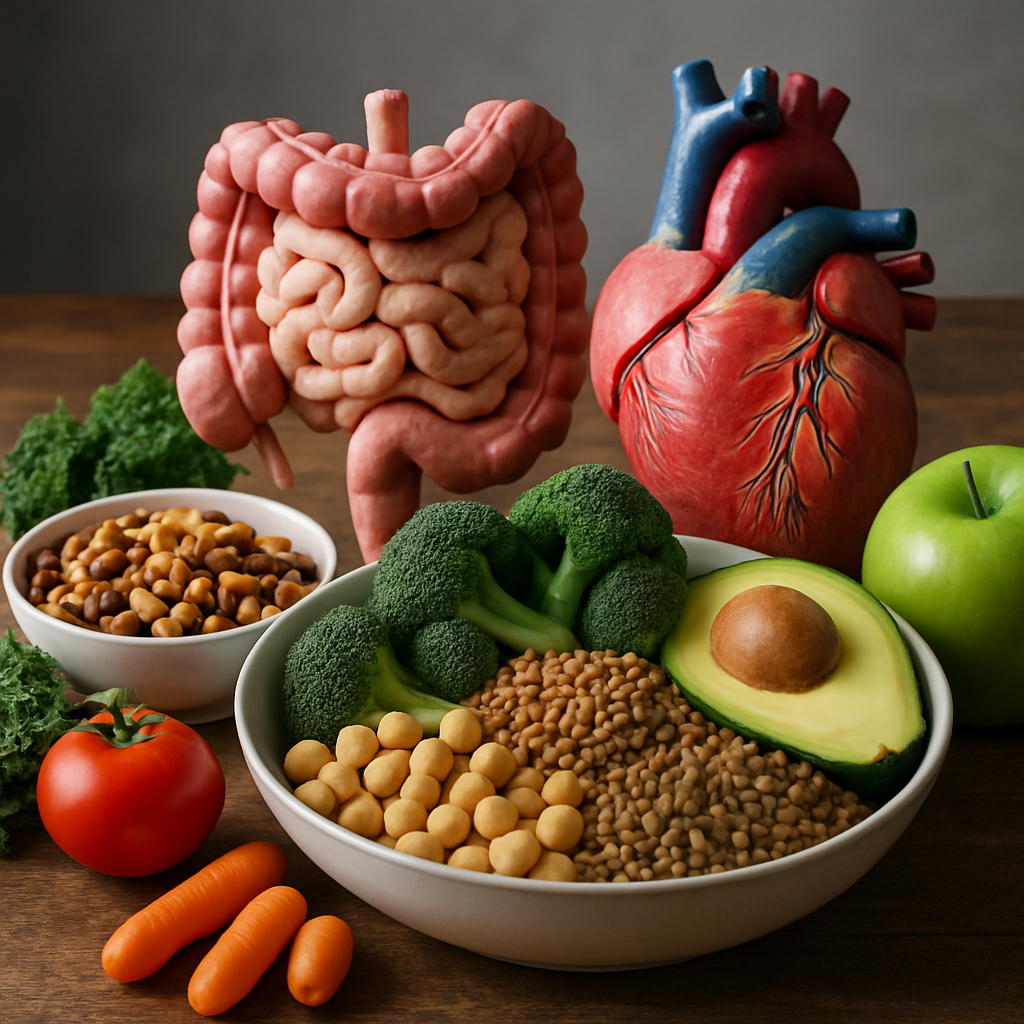
A plant-based diet may play a significant role in achieving remission for Crohn's disease, supporting a healthy gut microbiome, and boosting overall cardiovascular health. Early evidence suggests that by emphasizing fiber-rich, plant-derived foods, patients with Crohn's disease can see notable improvements in digestive health and even broader protective effects against chronic diseases. Understanding how diet shapes your gut and cardiovascular outcomes is essential for anyone seeking natural strategies to manage Crohn's or improve their well-being.
The Relationship Between Plant-Based Eating and Gut Microbiome Health
Plant-based diets, abundant in fiber, create an environment for a diverse and balanced normal microbiota. Fiber acts as food for probiotic bacteria residing in the gut, promoting their growth and helping maintain digestion and intestinal barrier integrity. This symbiotic interaction contributes to fewer flare-ups and supports daily digestive comfort.
Clinical case evidence has highlighted remission in Crohn's after shifting to a high-fiber, plant-based diet. For example, a recent case study in Nutrients found that a patient struggled with conventional treatments yet achieved remission after changing to plant-centric foods. By nurturing healthy gut bacteria, these dietary shifts may dampen inflammatory responses commonly triggered by Crohn's.
However, individual tolerance to various plant foods can differ. Some people may need to modify their intake of beans, green vegetables, or whole grains based on symptom response. Consulting a healthcare professional or dietitian is recommended to tailor the plant-based plan for each person's needs.
Addressing Cardiovascular Benefits and Chronic Disease Prevention
Whole foods central to plant-based diets—such as leafy greens, beans, legumes, and whole grains—are linked to reduced risks for cardiovascular disease. This benefit is particularly impactful for Crohn's patients, as chronic inflammation can increase heart disease susceptibility. By lowering saturated fat and cholesterol intake, while boosting fiber and antioxidants, a plant-powered diet supports heart and vascular system health.
Beyond cardiovascular impacts, plant-based eating may help lower incidence rates for some cancers, chronic kidney conditions, and other inflammatory diseases. This is partly due to protective compounds in fruits and vegetables, their resistance to metabolic stress, and robust antioxidant levels found in golden delicious apples and green beans—as highlighted by case observations. Supporting healthy cholesterol levels and managing body weight also offer lifespan and quality of life advantages.
Maintaining remission and reducing medication dependence can also provide psychological and economic relief, helping support a live free lifestyle for those navigating Crohn's.
Roles of Gut Microbiome Foods and Probiotics in Crohn's Health
The composition of the gut microbiome is a key determinant in both the onset and progression of Crohn's disease. Incorporating naturally fermented foods—such as miso, sauerkraut, and kimchi—introduces beneficial probiotics that reinforce barrier function and help prevent pathogenic overgrowth. Moreover, a fiber-rich diet strengthens this microbial community, with studies supporting synergy between normal microbiota and ongoing Crohn's prevention efforts.
However, patients must recognize that not all probiotics or high-fiber vegetables will suit everyone, especially before or during flare-ups. Choices like green beans, lentils, and certain cassava-based products may need careful evaluation depending on individual digestion and symptom tracking.
It is essential to customize dietary choices to maximize benefit while balancing possible sensitivities, as confirmed by expert guidance for vegan Crohn's disease management. Working collaboratively with healthcare teams can enhance both nutritional adequacy and remission outcomes over time.
Managing Common Barriers: Iron, Protein, and Digestive Comfort
A plant-focused diet, while promising for Crohn's management, raises questions about getting adequate protein and avoiding common trigger foods. Good plant-based protein sources include soy products like tofu, tempeh, beans, lentils, and peas. Careful attention to iron levels with foods like spinach, pumpkin seeds, and fortified grains is also vital, since iron deficiency anemia is a frequent issue in Crohn's disease.
Digestive comfort can be maintained by gradually introducing new foods and monitoring individual tolerance. For those sensitive to raw vegetables or certain prebiotic fibers, steaming or lightly cooking green beans and other greens may ease digestion. If flatulence or bloating becomes excessive, rotating food types and reducing portion size may help.
Checking in regularly for micronutrient adequacy, especially vitamin B12 and vitamin D, through supplementation or fortified plant-based foods remains advisable to prevent secondary health problems.
Addressing protein, iron, and digestive comfort as part of the individualized plan increases long-term success rates for Crohn's patients pursuing a lifestyle rooted in plant-based principles.
Summary: Integrating Plant-Based Choices for Optimal Remission and Health
In summary, the shift toward a plant-based diet can create a lasting impact on Crohn's disease remission, gut microbiome diversity, and cardiovascular health. Early research and case evidence suggest this approach may benefit patients by supporting healthy bacteria growth, reducing inflammation, and lowering chronic disease risk.
Personalization is essential, since not every plant-based food will suit all individuals, especially before or during acute symptoms. Collaboration with medical and nutrition specialists ensures that each diet plan accounts for protein, iron, and micronutrient needs, while managing symptoms and dietary triggers with flexibility.
For those exploring natural, food-based remedies to enhance Crohn's management and overall health, a carefully crafted plant-based plan remains one of the most promising, low-risk approaches currently backed by academic research and clinical practice.
Ultimately, integrating these strategies may help patients with Crohn's live more comfortably, minimize flare-ups, and build lasting dietary habits that support a thriving, heart-healthy life.


Comments
Post a Comment