Installing a Septic System in Clay Soil: Solutions for Drainage and Water Absorption Issues
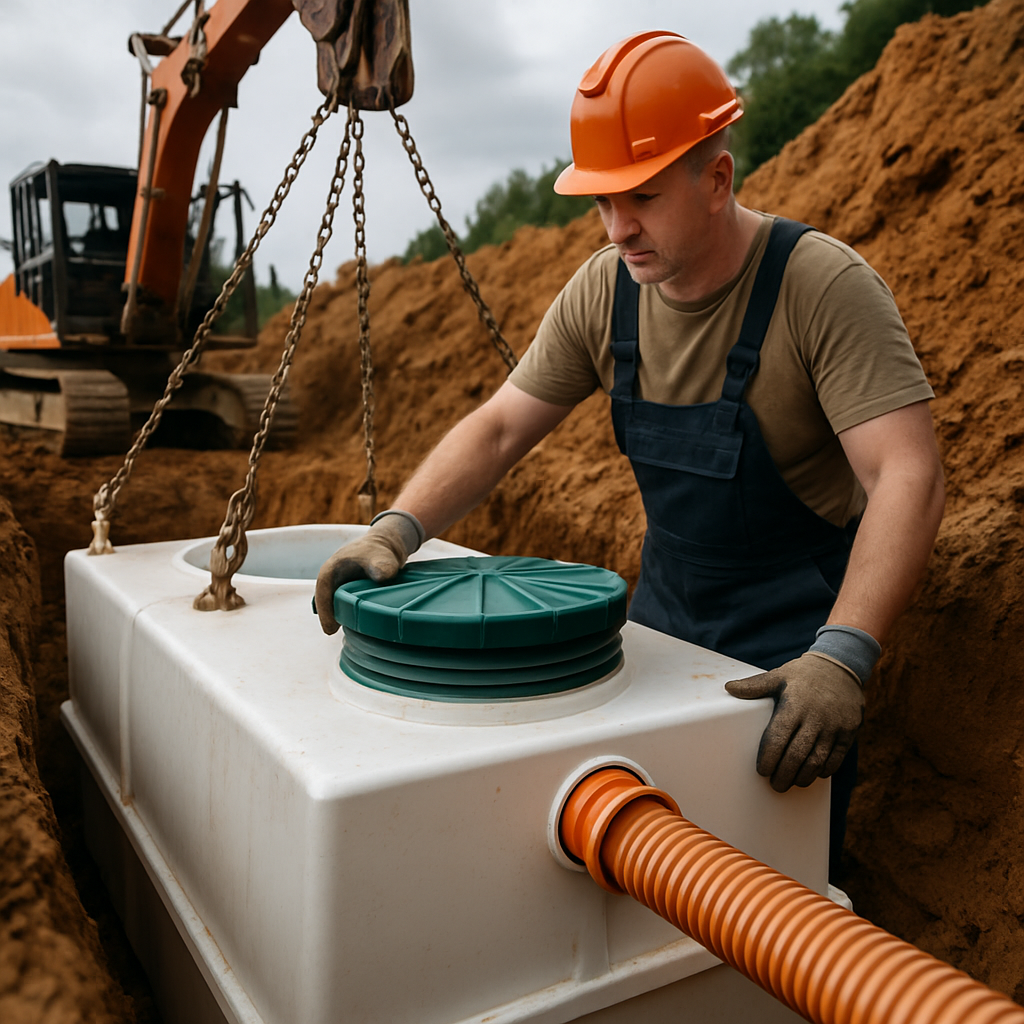
Understanding the Limitations of Clay Soils for Septic System Installation
Installing a septic system in clay soil presents unique challenges due to the soil's tendency to retain water and exhibit poor drainage. Unlike sandy or loamy soils, clay has a compact structure, significantly reducing its ability to absorb and disperse wastewater. The main takeaway is that inadequate drainage and water absorption in clay soil can trigger septic system failure, surface pooling, and even tank damage if not addressed from the start. Evaluating the clay's properties and selecting appropriate solutions is vital to ensure your septic installation remains efficient and reliable—see the detailed discussion supported by GroundStone.
The Science Behind Poor Drainage and Effluent Absorption
Clay soil has a fine particle size and a high retention rate, meaning it holds onto water and resists easy infiltration. This leads to slow movement of effluent from the septic tank into the soil, often overwhelming its absorption capacity during wet conditions or heavy use.
When a septic system is burdened by excess water in clay, the result is either slow percolation or the literal pooling of untreated wastewater at the ground surface. These absorption issues are further aggravated during rainy seasons, as the clay's ability to absorb even lessens with greater soil saturation.
Before proceeding with an installation, it is essential to conduct a percolation test (or "perc test") to assess the actual absorption rate and determine if modifications to the design, such as raised beds or engineered drainage, will be required.
Understanding the optimum moisture content and calculating the retention and holding capacity of your site's clay layer is critical to designing a septic system that complies with safety and environmental guidelines.
Tank Selection and Site Preparation in Waterlogged Clay
One major concern with clay soil is its expanding and contracting properties. Concrete septic tanks are especially at risk, as swelling and shrinking clays can cause cracks and eventual system leaks. Compared to more flexible plastic tanks, the rigidity of concrete increases vulnerability to structural damage.
Installing a septic tank on a waterlogged or highly absorptive clay site requires careful preparation. Building up the installation area with a gravel base or using drainage aggregate helps provide a buffer between the tank and wet clay. In some cases, using additives to amend the soil structure can marginally improve site suitability by aiding drainage.
Experts recommend that before any tank installation, comprehensive testing and sampling are conducted to determine the full range of the soil state across wet and dry cycles. This assessment helps avoid costly mistakes and ensures the right system is chosen for your specific clay type.
Consider alternative solutions such as chamber systems or NDS EZ-Drain units that are specifically designed to increase water movement through less permeable soils. For additional technical advice, reviews, and real-world examples, visit this expert resource on clay soil septic installation.
Methods to Improve Drainage and Absorption in Clay Soils
Improving drainage and absorption for septic systems in clay relies on several actionable steps:
- Core aeration for clay soil can enhance oxygen and water flow, breaking up compaction and encouraging better percolation. While liquid additives exist, their effectiveness is debated and often limited compared to physical amendments.
- Installing drainage solutions, such as French drains, aggregate-based trenches, or engineered soakaway crates, increases the system’s capacity to handle effluent under saturated conditions.
- Compost and organic additives help change the soil structure over time, marginally increasing porosity, though these approaches are most beneficial in conjunction with physical system modifications.
- Hydrated lime and aquatic amendments can also help lower soil alkalinity and improve retention characteristics, but must be used cautiously according to soil tests and local regulations.
Always determine the maximum limit of your septic system's output versus the absorption rate of the surrounding clay soil. Regular testing and seasonal recalibration of water irrigation and drainage solutions ensure lasting performance.
Case Study Examples and Real-World Performance
Real-world examples highlight the consequences of ignoring the absorption issues unique to clay. Systems installed without drainage improvements in waterlogged locations routinely suffer from backup, surface effluent puddling, or tank failure due to expansive soil movement.
Many successful installations rely on robust site analysis, combining percolation tests, determination of optimum moisture content, and use of drainage technology like NDS EZ-Drain. Some homeowners opt for raised beds to keep the leach field clear of the wettest clay horizons, while others retrofit existing systems with better water movement mechanisms year-round.
Helpful video guides and discussions—such as one found here on installing septic tanks and soakaways in clay soil—offer detailed explanations, schematic diagrams, and troubleshooting for challenging garden and lawn properties.
Evaluating all available options, including tank materials, drainage enhancement, and ongoing soil sampling, leads to safer and more reliable septic system installations for beginners and experts alike.
Planning with precision and leveraging drainage enhancement solutions helps prevent the most common problems with clay soil septic systems, offering sustainable performance even on the most challenging sites.


Comments
Post a Comment