Thatch Power Rake: Best Removal Tool, Proper Use, and How to Dethatch by Hand or Machine
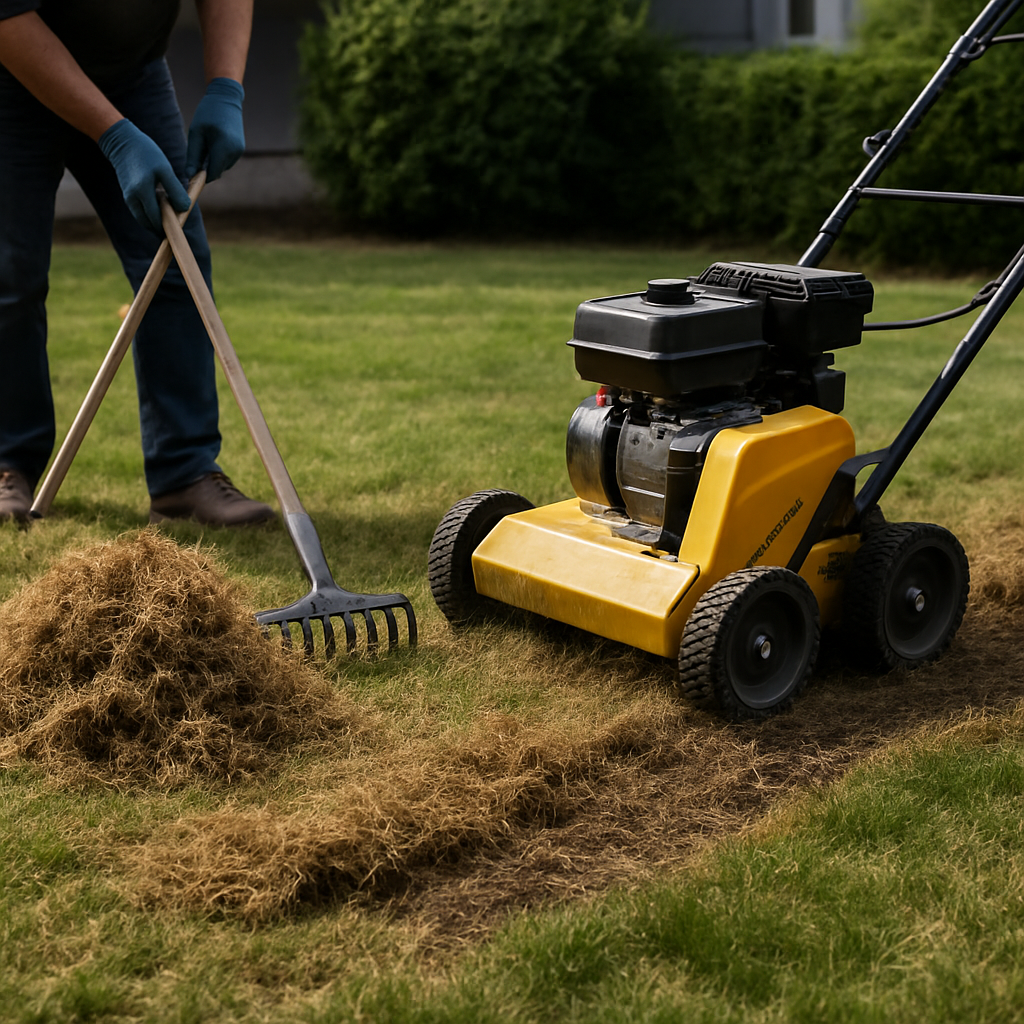
For anyone striving for a lush, healthy lawn, efficient thatch management is essential. The fastest and most effective way to remove stubborn thatch layers is with a thatch power rake or dethatcher, either rented or purchased, but knowing when and how to use these tools prevents accidental turf injury. In this guide, you’ll quickly learn the best removal methods, choices between mechanical and hand tools, and tips to avoid weakening your lawn.
Understanding Thatch and Its Impact on Your Lawn
Thatch is a layer of dead and living stems, roots, and decomposing matter that accumulates between the actively growing grass and soil surface. When it gets thicker than 0.5 inch, it can block water, air, and nutrients from reaching your grass roots. Excess thatch often results from over-fertilization, improper species selection, and infrequent core aeration.
If left unmanaged, thick thatch promotes disease, increases drought stress, and can choke out desirable turfgrass. For lawns in regions like Texas, where aggressive turf type grasses quickly build up organic matter, regular inspection is important to determine if thatch removal is necessary.
It’s possible to manage thatch growth naturally by improving your soil’s microbial life and ensuring you do not overuse pesticides or high-nitrogen fertilizers. However, when natural breakdown processes aren’t keeping up, mechanical dethatching is often required for rapid results.
Choosing Between Power Dethatchers and Hand Tools
There are multiple ways to remove thatch: mechanical power rakes, specialized dethatchers (sometimes called 'Billy Goat' or 'Walensee electric'), and heavy-duty thatch rakes for manual removal. Power dethatchers, available for rental at local shops, strip away thatch efficiently for larger lawns.
Hand rakes require significantly more labor but are useful for small areas or spot treatment. The spacing and depth setting of your power rake’s blades can be adjusted to control how aggressively thatch is pulled up—setting the blades too deep can damage healthy turf.
If you’re new to these machines, it’s wise to get familiar with them in a low-traffic area before using them on highly visible lawn spaces. Begin with a shallow pass, gradually increasing blade depth only if more thatch removal is needed.
How to Remove Thatch Safely and Effectively
Timing is critical. Never dethatch when your turf is under heat stress or drought, as this increases the risk of long-term injury and slows lawn recovery. For cool-season grasses, late summer to early fall is the safest window—cooler temperatures and the opportunity to combine dethatching with renovation practices (such as aeration, overseeding, and fertilization) give your grass the best chance to recover rapidly.
If you are using a power rake, follow these steps:
- Set the blades high at first and remove only a small amount of thatch in a test area.
- Gradually lower the setting for subsequent passes if thicker layers remain.
- Collect loosened thatch with a rake or vacuum and dispose of it appropriately.
- Water and fertilize after dethatching to jumpstart grass recovery.
Homeowners in areas with dense clay or heavily compacted soils might also benefit from core aeration to further reduce thatch buildup.
Consult detailed university guidance and step-by-step advice directly from authoritative sources for region-specific tips.
Comparing Thatch Removal Tools and Methods
Power dethatchers come in different styles: some use vertical blades ('vertical mowers'), while others use flexible tines better for lighter cleanup. These machines can be rented from hardware retailers or professional lawn equipment suppliers. Their heavy-duty, motorized action is readily apparent in before-and-after results—view pictures and reviews online to gauge user satisfaction.
By contrast, manual thatch rakes are affordable and require no power source. While best suited to patchy problem areas, these tools offer excellent control for DIYers wary of turf damage. Innovative home-built or homemade dethatching solutions, such as modified garden rakes, are sometimes employed for small yards but lack the power of commercial-grade tools.
Electric dethatchers (like the Walensee) are a compromise, providing consistent power in a smaller package but limiting range for very large lawns. The choice between tools depends on lawn size, budget, and physical ability.
If you opt for a liquid thatch remover, be aware that true biological breakdown is slower than mechanical extraction. While these products claim to speed up decomposition, reviews suggest that results vary according to climate and grass type.
Preventative Strategies to Limit Thatch Accumulation
Prevention is usually easier than cure. The smartest lawn care programs start with choosing thatch-resistant turf varieties and maintaining healthy soil biology. Liming acidic soils, core aeration every year, and using fertilizer judiciously all discourage excessive thatch buildup.
Minimize systemic pesticide and fungicide use, which can harm the microbes responsible for organic matter decomposition. Set mower blades high enough to avoid scalping and return finely chopped grass clippings to the lawn to feed beneficial organisms.
Schedule regular thatch inspections each season, especially for fast-growing lawns or those receiving heavy irrigation. When you identify a thatch problem, early intervention with a thatch power rake or a targeted treatment is much less disruptive than a major renovation down the line.
For comprehensive guidance on thatch assessment, removal, and prevention, review university extension resources such as the Penn State Extension guide.
Best Practices and Common Mistakes to Avoid
Do not attempt thatch removal when the turf is thin, damaged, or recovering from drought. Overzealous raking or deep vertical mowing can strip out not just thatch but healthy grass and soil, setting your lawn back for months. Always start cautiously—incremental dethatching is safer than full-scale removal in a single pass.
Never dethatch in the peak of summer heat or just before expected stress events. If your lawn is densely compacted, aerate before or in conjunction with dethatching to encourage root growth and aid recovery. Whenever you switch between thatch removal tools, clean blades and tines to prevent the spread of lawn pests or disease.
Be wary of products marketed as 'liquid thatch removers' if you expect instant results—mechanical methods remain the gold standard for immediate thatch reduction. Seek out local experts or cooperative extension advice if you have questions about specific grass types or soil conditions.
By combining careful, well-timed dethatching with preventative care practices, anyone can maintain a vibrant, resilient lawn year after year.


Comments
Post a Comment