What to Know Before Replacing Grass With Clover in Shady Lawn Areas and Mulch Beds
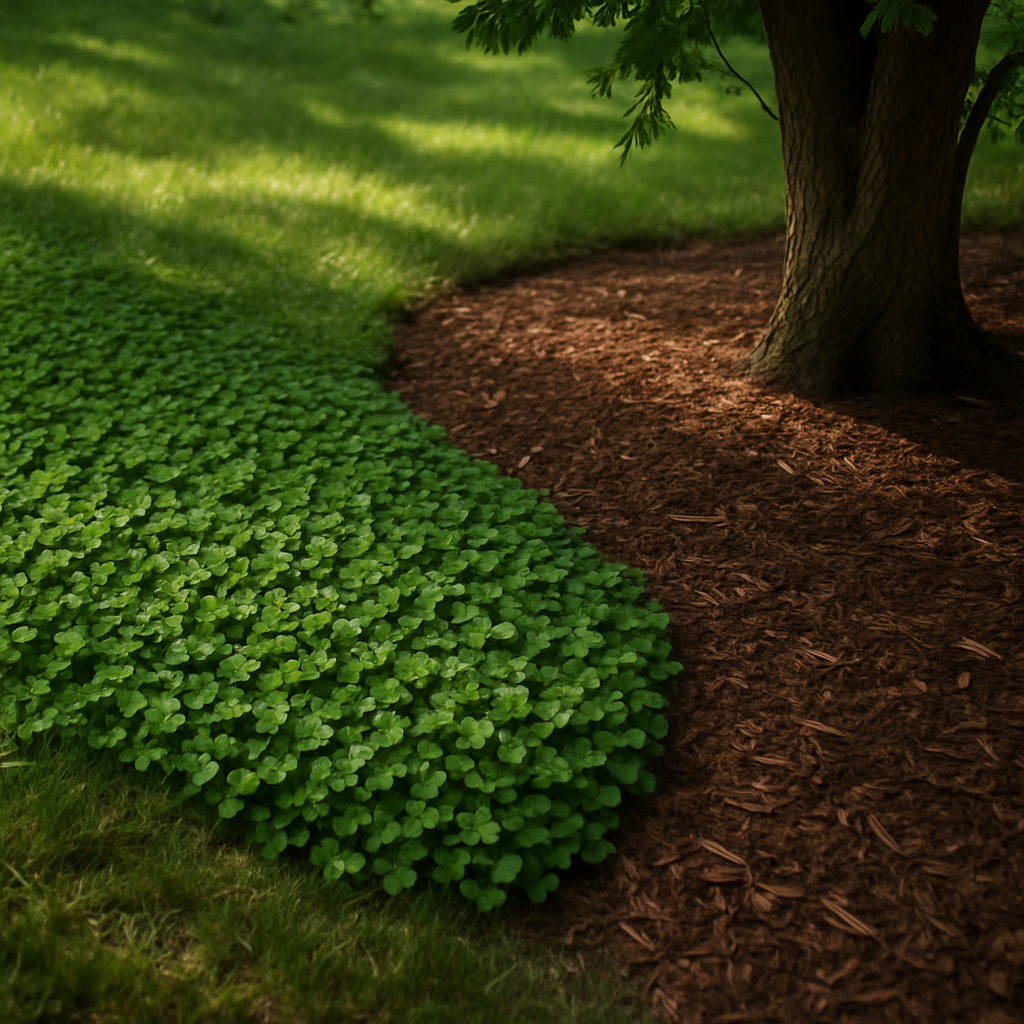
Considering Clover as a Solution for Shady, Challenging Lawn Spaces
If you are thinking about replacing grass with clover, especially in tough yard patches under trees or around mulch beds, the main benefit is clear: clover thrives where traditional turf struggles. Unlike many turf species, clover stays green in the heat, needs less water, and naturally enriches your soil. It's an ideal choice for homeowners dealing with shady spots, root-infested areas, or spots where grass simply won’t establish resilience or vibrant color. Read how one homeowner resolved patchy, dry lawns with clover and understand why so many are making the switch.
Understanding Clover’s Advantages for Lawn Replacement
Traditional grasses like zoysia and tall fescue often fail in shadier or dry environments. Clover, by contrast, can tolerate partial shade and drier soils, giving you consistent green-up even in difficult corners of your yard. Notably, this plant requires less watering than common turf grasses, helping conserve resources during dry spells.
Clover acts as a natural fertilizer, drawing nitrogen from the air and enriching the soil for both itself and surrounding plants. This reduces your need for bags of synthetic mulch or commercial fertilizer, helping you build harmony in your landscape.
Not only does clover cut down on watering and chemical use, but its broad leaves also shade out potential weeds, decreasing the need for constant lawn care interventions or herbicidal applications.
The soft texture of clover is gentle underfoot, which is perfect for families with pets or children running outside. Its green color is especially noticeable when compared with grass that may turn yellow or patchy in the heat of summer, so your lawn remains visually appealing through the seasons.
Best Practices for Starting and Maintaining a Clover Lawn
If you're ready to replace grass with clover, proper preparation is essential. Begin by removing existing turf or loosening mulch beds, which ensures strong seed-to-soil contact. Aerating the soil or raking away thatch creates the perfect bed for clover seeds to take root.
When sowing, aim for a clover-to-grass seed mix of about 10% by weight if you still want some turf presence. This approach helps with both germination and the overall texture of your lawn. Fifth Season Gardening offers specific tips for mixing and spreading clover seed, ensuring healthy and even coverage.
Clover lawns don’t demand as much mowing as traditional lawns, but keeping them at about 3 inches high helps maintain a lush, pollinator-friendly mat. Water thoroughly during early establishment, but remember: once rooted, clover is quite drought tolerant and won’t require constant attention.
Dealing With Common Challenges in Clover Conversions
While clover is resilient, it isn’t immune to issues. Some homeowners experience patchiness in extremely shady or high-traffic areas. You might not get a perfect, blanket-like green surface everywhere, especially where soil compaction or root competition from large trees is severe.
Frequent use by pets can occasionally yellow the leaves, just as with grass, but clover tends to bounce back faster. Spreading a thin layer of mulch after seeding can help retain soil moisture and protect seedlings during the hot summer months.
Be patient. Some spots may require reseeding in the first couple of years. Partial establishment in problem areas is still a significant victory over turf that refused to grow.
If aesthetics are a concern, the white flowers of clover offer a pretty, ornamental touch and are favored by pollinators. However, mowing before blooms appear can minimize bee activity if you are worried about stings around children or pets.
Remember that clover isn’t a one-size-fits-all remedy, and mixing it with existing grass can yield the best results for texture and resilience.
Supporting Pollinators and Healthy Soils With Clover
Clover lawns do more than just cover ground. Their flowers provide vital pollen nutrition for bees and butterflies, supporting pollination in your garden or even neighboring landscapes. If you are transitioning away from typical grass species, choosing clover is a simple way to support your local ecosystem and add visual diversity through unique leaf shapes and flower textures.
By fixing nitrogen, clover also feeds other plants in the area, so bulbs, ornamental borders, or flowering trees nearby can benefit from improved soil health and less competition from aggressive lawn weeds.
Eco-conscious gardeners often select clover to reduce fertilizer and chemical inputs, creating a harmony between your home’s appearance and its environmental impact. This organic approach saves on lawn care labor and supports diverse plant life throughout your landscape areas—an especially attractive feature for large or low-traffic zones.
Adopting clover also supports seasonal festival colors, as the lawn remains velvet green even as other plants fade or go dormant. Its soft blanket is ideal for picnic baskets and family gatherings outdoors, long past summer’s peak.
Combining Clover With Existing Lawn Features for Best Effect
Not every lawn requires a total overhaul. Mixing clover with fescue, daffodil bulbs, or ornamental grass patches provides texture, interest, and resilience across different microclimates in your garden. Use clover in mulched beds under umbrella plants or to fill bare spots around trees where traditional grass plugs never thrived.
Edge pathways and blanket flower beds with compact clover mixes to transition between different garden zones. Its ability to coexist elegantly with pink muhly or Japanese blood grass makes it a versatile companion to most landscape designs.
Consider integrating clover lawns as borders around spring bulbs or in low-traffic sitting areas, where it acts as a living mulch, suppressing dandelions and conserving soil moisture.
Choose varieties such as microclover for a uniform look or traditional white clover for more ornamental and pollinator-friendly results. Martha Stewart's gardening guide highlights the benefits of combining clover with turf if you prefer a mix of both worlds.
With smart planning and a nod to nature, replacing grass with clover can turn difficult, shaded, or mulched spaces into productive, sustainable havens for both people and wildlife.
This approach lets your lawn stay green, low-maintenance, and environmentally friendly year after year.


Comments
Post a Comment