Bougainvillea Fertilizer Secrets: Flowering Indoors, Best Watering, and Fall Pruning Tips
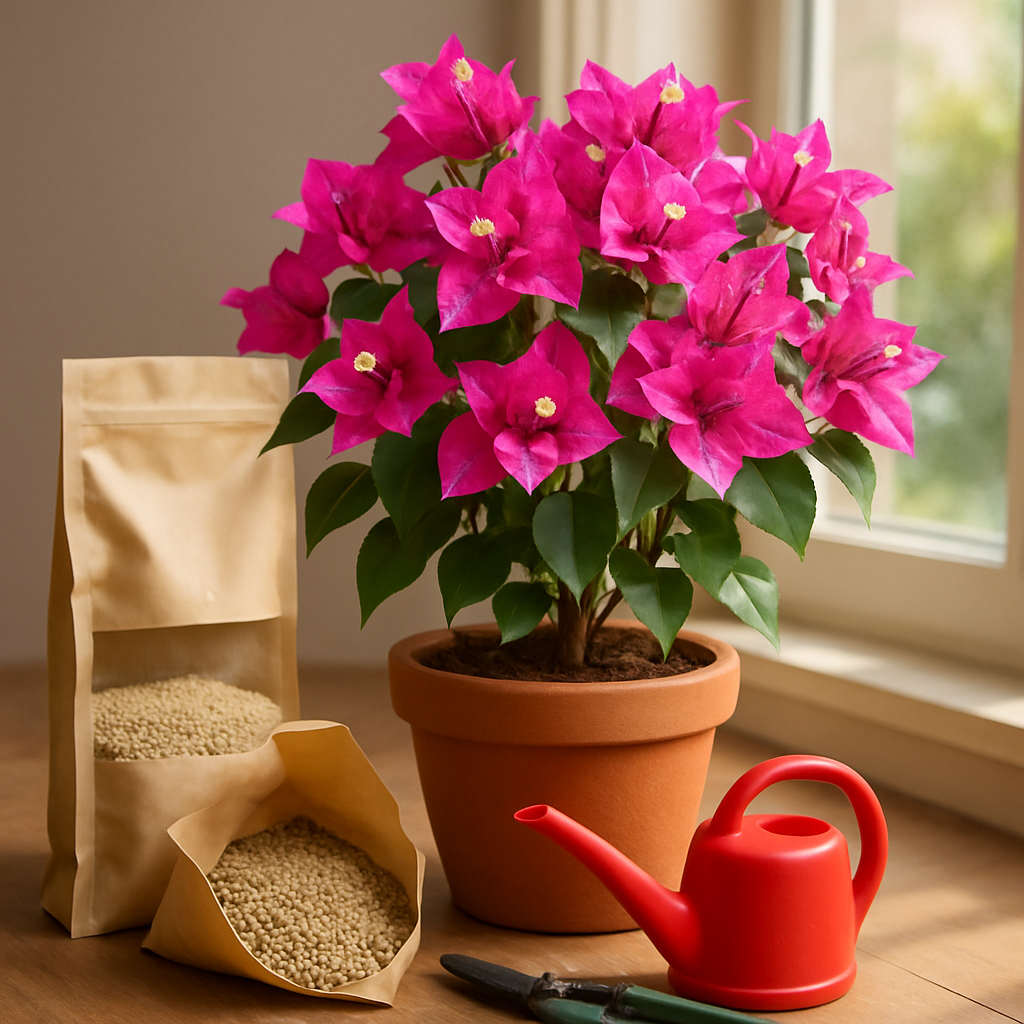
Fertilizing bougainvillea properly is essential for vibrant color and maximum flowering, whether your plant is thriving indoors, outdoors, or in pots. The best approach is to use a balanced fertilizer with a slightly higher phosphorus content, apply it cautiously, and adapt your fertilizer strategy seasonally—especially before flowering peaks in summer and when preparing for fall pruning. By pairing smart nutrition with appropriate watering, you can reliably boost blooms and foliage health while helping your bougainvillea adapt to container life or indoor conditions.
Flowering Bougainvillea in Pots and Indoors: Understanding Unique Needs
Growing bougainvillea in pots, or even indoors in bright spots, presents both challenge and opportunity. Pots restrict root systems, meaning the plant cannot forage for nutrients as freely as in the ground, so regular but controlled fertilization becomes imperative. An excess of fertilizer can lead to abundant leafy growth at the expense of flowers, whereas too little produces pale, weak bracts and sparse blooms. The key is finding a middle ground: use a slow-release fertilizer every 6-8 weeks during active growth, and ensure the potting medium drains rapidly to prevent root issues.
Indoors, sunlight intensity is rarely as potent as outdoors, so maximize light exposure by positioning your bougainvillea in a sunniest window or under a grow light. The plant's fertilizer requirements remain similar—choose a formula with higher phosphorus, but fertilize less often since growth will slow down. Discipline in fertilization also limits salt buildup in potted soils, an often-overlooked reason bougainvillea can drop leaves indoors. For detailed cultural steps, explore the plant care advice at Monrovia, which highlights optimal indoor lighting and soil tips.
A frequent question is whether homemade fertilizer is effective for container-grown bougainvillea. While compost teas or diluted fish emulsion can provide micronutrient boosts, it's advisable to rely primarily on tested commercial blends for consistency, especially when growing in controlled environments. Occasional organic supplements can be used, but always with caution and careful observation of the plant's response.
Optimal Watering Practices for Persistent Bougainvillea Flowers
Consistent watering is entwined with fertilizer effectiveness—if either is off-balance, flowering suffers. Bougainvillea prefers to dry out between deep waterings; overwatering leads to root rot, while underwatering results in leaf drop and bract loss. Adjust watering frequency by season, watering more in hot summer months and cutting back in winter, especially if the plant is partially dormant indoors or in cooler climates.
When fertilizing, always water thoroughly afterwards to distribute nutrients and safeguard roots from chemical burn, particularly in pots. High-phosphorus fertilizers are best applied at the base rather than on the leaves, and moist but not soggy soil ensures the roots absorb maximum benefit. Some gardeners add mulch to outdoor potted bougainvillea to retain moisture, but be wary of letting mulch touch stems, to avoid rot.
If you're unsure how often to water, inspect the top inch of soil: if dry, water thoroughly. During intense flowering, bougainvillea may need twice-weekly care, whereas periods of low light or growth call for much less frequent watering. For a deeper guide on balancing water and nutrients, check additional care information from Bachman's.
Mastering Fall Pruning for Year-Round Health
Pruning bougainvillea in fall is as vital as proper feeding. Once the summer flowering flush fades, it's time to trim back leggy stems, remove spent blooms, and shape the plant for compact, vigorous regrowth in spring. This not only enhances airflow but also minimizes the risk of fungal diseases, which are more prevalent in cooler, damper months.
The timing and technique of pruning can also determine your fertilizer schedule. After a major autumn pruning, hold off on heavy feeding to let the plant rest. Instead, use a gentle, low-nitrogen feed to encourage root activity without stimulating soft, frost-sensitive growth. If you're planning to overwinter your bougainvillea indoors, prune just before bringing it in, and adjust fertilizer and watering based on reduced growth.
For those aiming for tree-shaped bougainvilleas, pruning after summer flowering is crucial. Train a single leader, support with a sturdy stake, and thin side shoots as needed to develop a strong framework for next season's stunning bract displays. More on training and shaping can be found in educational materials from University of Hawaii, which details pruning regimes and blooming cycles.
Frequently Asked Bougainvillea Fertilizer Questions and Real-World Examples
Gardeners often wonder if brands sold at hardware chains or online retailers, such as those found at Home Depot or Amazon, are the best choice for bougainvillea. The answer lies in ingredient ratio: choose a fertilizer labeled for flowering shrubs, featuring higher phosphorus (middle number on the label) and micronutrients like magnesium and iron, which help trigger bract coloration and longevity.
If you prefer a hands-on approach, you can create a homemade fertilizer by blending bone meal for phosphorus, a dash of Epsom salt for magnesium, and a trace of potash for potassium. This mix, applied lightly once per month during active growth, helps replicate the formula of many commercial products. Monitor your plant after feeding: darker green leaves and denser bract color mean the formula is working.
To illustrate, home gardeners in Florida often use a slow-release granular fertilizer once in late spring and again in midsummer, adjusting watering to counteract the humid climate. Those growing bougainvillea indoors up north may find a monthly liquid feed much more effective, especially when combined with bright but indirect sunlight to spur winter blooms.
Protecting Bougainvillea from Frost After Fall Pruning
Frost is the primary threat to outdoor bougainvillea after pruning, as tender new shoots can sustain cold damage. To guard against temperature drops, move potted plants indoors or into a protected garage before danger of frost. For in-ground specimens, cover with frost cloths, ensuring the plant receives morning sun to dry off condensation and avoid fungal issues.
Once sheltered, suspend heavy fertilizing and reduce watering to mimic dormancy—a bougainvillea that rests well in winter bursts back with explosive color when fed again in spring. Mulching roots with a thick layer of straw or leaves can keep soil temperatures stable, buffer against freezing, and help with moisture retention as the plant awaits warmer days.
Gardeners in regions with unpredictable weather cycles should plan ahead: have frost covers, supplemental grow lights, and fertilizer on hand early in the season. This preparation allows a smooth transition from the cooling fall through to a bountiful spring display, especially in areas where temperature swings are dramatic.
When to Bring Bougainvillea Indoors and Adjust Fertilizer Strategy
The transition from outdoors to indoors isn't just about location, but involves resetting your whole care routine. Bring potted bougainvillea inside once nighttime lows approach 40°F (4°C), but make the move gradual to limit shock. Once indoors, immediately scale back both watering and fertilization; the plant will slow its metabolism in response to reduced sunlight and cooler air.
Indoors, bougainvillea prefers to be slightly rootbound, which makes it flower more reliably, but always check for salt buildup in the pot with each monthly fertilizer application. Leach soil every few months with clear water to flush out excess salts. If you experience yellowing leaves or fewer blooms, consider adjusting your nutrient balance—often a minor tweak of phosphorus or magnesium is all that's needed for recovery.
For best indoor results, combine indirect bright light with light but regular fertilization. Observing and adapting as your plant acclimates will yield the healthiest and most floriferous bougainvillea possible, even through the shorter, darker winter days.
Properly combining fertilizer, precise watering, and timely pruning ensures bougainvillea delivers brilliant blooms—indoors or out—through every season.


Comments
Post a Comment