Hands-On Children's Garden Activities: Simple Ideas for Kids and Classrooms of All Ages
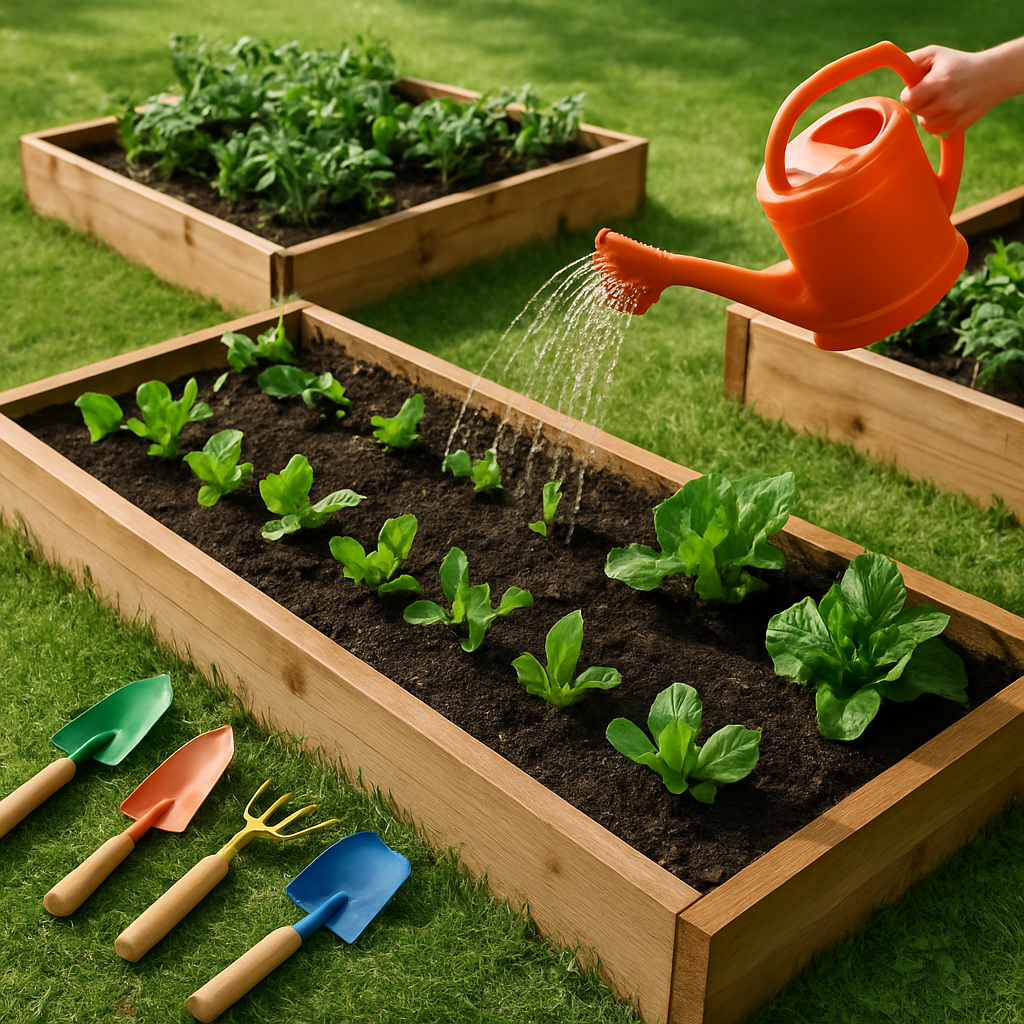
Children's garden activities offer an enriching balance of hands-on fun, learning, and responsibility—whether at home, in an elementary classroom, or part of an outdoor summer program. The best activities give kids meaningful roles, such as adopting and caring for a plant, fostering a sense of ownership and encouraging curiosity. These creative, real-world examples spark excitement across ages, from preschoolers to high school students, nurturing a lifelong interest in gardening and the natural world.
Outdoor Children's Garden Activities for All Ages
Outdoor gardening activities are a foundation for engaging youth with nature, providing opportunities for exploration, movement, and teamwork. Projects like plant adoption invite kids to observe, record, and nurture growth while encouraging imaginative thinking. Assigning students to pick a plant and observe its characteristics lets even toddlers and kindergarteners connect personally with the garden environment, giving every child a special role in its care. Activities such as collecting seeds or naming plants help turn gardening into a memorable, fun, and educational experience.
Outdoor gardens allow for sensory exploration and experimentation. For example, children can use their hands to dig in the dirt, water plants, and use simple gardening tools. According to the GMFTS Summer Activity Guide, dedicating just 30 minutes a day or a week to plant care and journaling empowers students to witness real changes and reflect on what plants need to thrive. This regular hands-on exposure lays the groundwork for understanding ecological systems and fosters a sense of accomplishment as children observe their plant’s growth and health.
Gathering children around a shared outdoor project also strengthens group dynamics and offers leadership opportunities. Pairing older kids or high school students with younger learners promotes mentoring, as older students lead gardening tasks and encourage broader participation. Involving everyone in common projects—from naming plants to harvesting vegetables—transforms routine activities into shared celebrations, making garden time the highlight of the week or camp session.
Creative Garden Projects: Ideas for Plant Classes
Integrating creativity into children's garden activities expands the impact of these projects. Inviting kids to invent names for their plants, imagine plant personalities, or illustrate their adopted greenery provides new ways to connect with science. Creative assignments—such as drawing the plant’s features, writing a descriptive journal, or staging a vegetable guessing game—promote literacy, observational skills, and curiosity. These activities foster a flexible mindset and encourage kids to observe closely and ask questions about the living world.
Many elementary classrooms and afterschool clubs have introduced "garden journals"—simple plant classes where children jot notes, measure growth, and sketch detailed observations of their assigned plant. This blends writing, science, and self-expression, helping even reluctant learners engage. According to gardening resources like FONA’s 30 Simple Garden-Based Activities, mixing art and sensory prompts—such as color searches or word art—can help students use all five senses to investigate the world around them.
Introducing play elements through children’s games, such as plant tag or vegetable hide-and-seek, creates a lively garden atmosphere. Whether it’s for a birthday party, a classroom reward day, or a spontaneous outdoor adventure in the yard, these simple ideas transform the garden into a dynamic classroom. They’re excellent for keeping active “old boys” engaged, as well as offering gentle entry points for more timid preschoolers or kindergartners.
Simple Vegetable Gardening Activities for Kids
Vegetable gardening is an ideal way to combine hands-on learning with practical life skills. From sowing seeds to tending sprouts, every stage can become a teachable moment. Kids can start small with easy-to-grow crops such as beans, radishes, or lettuce, which show quick results and help maintain attention. Gardens can be set up outdoors in yards or, for indoor or urban classrooms, in containers or raised beds—making gardening accessible "near me" wherever you are.
Organizing a vegetable harvest or taste test brings immediate rewards and is a perfect chance for students to compare their journals with what they observe. As highlighted in the GMFTS Summer Activity Guide, using produce and seeds from local gardens for blind-tasting games or sorting activities taps into seasonal curiosity and motivates further exploration. Adults and even high school students often find themselves equally drawn into these fun, hands-on experiences.
Including a routine of watering, weeding, and tidying up not only teaches responsibility but also builds a direct connection between effort and visible outcomes—key for instilling patience and pride in young learners. These daily and weekly rhythms translate well for any age group, making vegetable gardening an adaptable, scalable project for classrooms or home life.
Hands-On Plant and Garden Activities for Preschoolers and Youth
Hands-on plant activities are ideal for introducing toddlers and preschool students to the wonder of growth and observation. Examples such as growing seed necklaces or creating fairy gardens enhance fine motor skills and stimulate the imagination. Activities like collecting leaves and constructing art projects from garden materials provide a direct and playful introduction to plant parts and garden life.
Preschool gardening activities are most engaging when they keep instructions simple and emphasize sensory experiences: feeling different textures, smelling herbs, or watching worms burrow through the soil. As highlighted by Our Days Outside’s guide to engaging gardening activities, features such as bug hunts or fairy garden creations help bring out natural curiosity while grounding children in real-world exploration.
As children mature, plant care can include more advanced skills, such as graphing plant measurements or experimenting with different growing conditions. Whether in the classroom or at nature camps, the transition from simple observation to methodical note-taking helps embed scientific habits and lay the foundation for future study and stewardship.
Organizing Best Free Garden Activities in Classrooms and the Yard
Many creative, effective garden activities do not require expensive supplies—making them ideal for school budgets and home environments alike. Activities such as journaling, organizing plant tag games, or measuring plant growth with simple rulers can be set up with minimal preparation. The use of recycled or reusable items for markers and labels also teaches sustainability and encourages students to innovate with available resources.
Garden-based learning works indoors as well as out. Even when weather or space restricts outdoor access, teachers and parents can adapt gardening ideas to windowsills, container gardens, or grow lights. Incorporating plant classes and common jobs—such as watering or pruning—ensures that all children, even those without a yard, can experience the rhythm and responsibilities of plant care throughout the year.
Ultimately, the best children's garden activities are those that adapt to the interests and abilities of the participants. Whether you are seeking examples for a high school garden club, planning simple ideas for 10-year-olds, or crafting an engaging preschool experience, incorporating creativity, collaboration, and observation adds value for every age. Exploring the natural world through child-centered activities builds skills and fosters joy—one plant at a time.


Comments
Post a Comment