Lawn Aeration Rental: Best Aerator Tools, Prices & Professional Service Insights
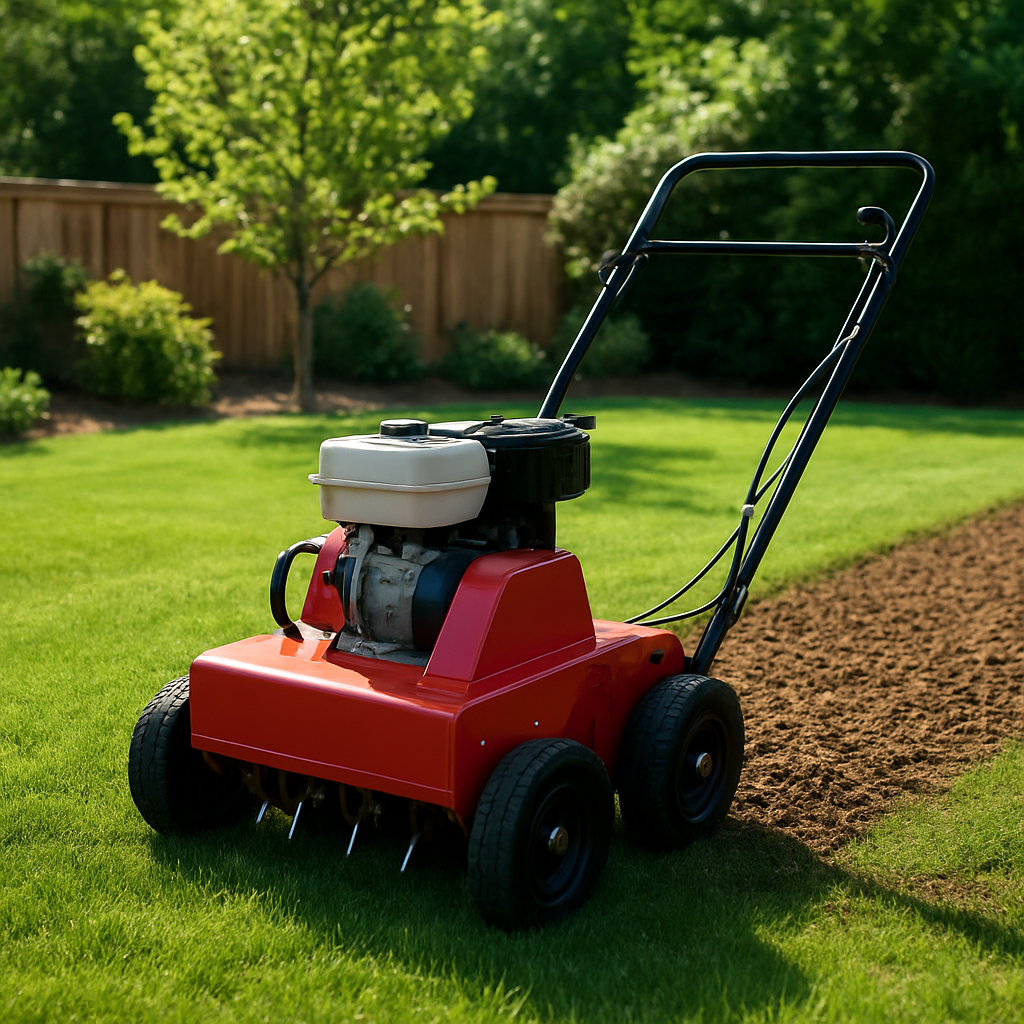
Improving soil health and encouraging vibrant, thick grass is possible even for novice gardeners thanks to practical lawn aeration rental options. Renting a core aerator or overseeding tool nearby enables anyone to address soil compaction and thatch buildup, yielding immediate and long-term results without buying expensive, specialized equipment. Whether you're considering renting from a local Home Depot, Lowe's, or another provider, understanding how these machines function and the benefits they deliver ensures you get the optimal return for your investment—and a yard that flourishes all season.
Understanding Aerator Machine Types and Rental Service Options
Choosing between core and spike aerators is one of the first decisions you'll face when exploring lawn aeration rental. Core aerators, often referred to as plug aerators, actually extract small cylinders of soil and thatch, which is the most effective option for reducing compaction and boosting lawn health. In contrast, spike aerators simply poke holes in the ground, which may worsen compaction in some soils. This distinction makes a core aerator highly recommended by turf experts and lawn care professionals. According to Briggs & Stratton, using machines that remove plugs ensures the deepest, healthiest results for your grass.
Renting an aerator is straightforward at most garden centers and rental outlets. Chains like Home Depot or Lowe's typically offer a variety of models, including both manual and gas-powered options. Prices for a daily rental often range from $50 to $100, with weekly rentals providing greater value for larger yards. Some outlets, such as Sunbelt or Tractor Supply, may stock plug pro aerators suitable for commercial-sized properties as well. Many renters find cost comparisons helpful when budgeting for an annual or bi-annual lawn improvement project.
The process doesn't end at picking up your rental machine. Most providers will give you a brief demonstration or instruction sheet for safe and effective operation. Whether you opt for a professional service or take the DIY approach, reviewing rental terms, pick-up procedures, and machine return times is vital. Some companies offer delivery and pick-up for an additional price, saving homeowners valuable time and effort.
Key Lawn Care Steps for Best Aeration Results
Before using your rented aerator, it's important to prepare the lawn by mowing to a suitable height and watering a day or two beforehand to soften the soil. This practice ensures that the machine's tines or spoons can penetrate deeply, maximizing the benefits of each pass. As noted by Pennington, working in multiple directions over compacted or high-traffic areas ensures optimal soil coverage and nutrient routing.
Many rental outlets carry additional lawn care tools, including overseeding machines and dethatchers. Renting a combined dethatcher and aerator can offer a comprehensive solution for stressed or heavily used grass, especially in yards with visible thatch buildup. Following aeration, consider over-seeding thin or bare patches and applying a balanced fertilizer for maximum improvement. Rental staff may have recommendations for seed types and application rates based on your region and grass species.
Proper aftercare is essential for long-lasting results. Continue routine watering and fertilization to encourage newly exposed roots to grow and thicken. Avoid heavy foot traffic for at least a week after aerating, giving plugs time to break down and reintegrate into your lawn's ecosystem. This practice, as highlighted in The Spruce's lawn aeration guide, helps maximize the beneficial exchange of air, water, and nutrients.
Calculating Rental Cost, Size, and Seasonal Timing
Estimating the cost of a lawn aerator rental depends on several factors, including machine type, rental duration, and the size of your yard (usually measured per square foot). Standard aerator rentals for average-sized residential lawns (up to 5,000 square feet) may only require half a day, while larger properties or commercial projects benefit from a weekly rate. If you're comparing local lawn aeration rental near me or pricing professional services versus a DIY rental, tally the labor, tools, and potential overseeding supplies for a complete budget picture.
Timing your aeration rental matters as much as tool selection. The best time for aeration coincides with your lawn grass's active growth cycle, typically late spring or early fall for cool-season varieties. Warm-season grasses benefit most from aeration just before or at the beginning of their growing period. Never aerate a dormant or heavily stressed lawn, as this can worsen existing problems or impede recovery, per Pennington's recommendations.
Most major rental providers and equipment supply stores offer online calculators to help determine how long you'll need the machine and what size fits your property. For homeowners unsure about their lawn's square footage or condition, consult with rental staff or use online turf measurement tools before booking. This preparation ensures you neither under- nor over-rent, optimizing both cost-efficiency and results.
DIY Aeration vs Professional Service: What's Right for You?
The choice between DIY lawn aeration and hiring a professional service often comes down to project size, available time, and budget. Renting an aerator is generally cost-effective and empowering for medium to small lawns, giving homeowners hands-on experience with their landscape while saving on labor costs. Many appreciate the flexibility of working on their own schedule rather than syncing appointments with a landscaping crew.
Professional lawn aeration services, such as those offered by TruGreen or local landscaping companies, provide a turnkey package that includes machine operation and cleanup. These services may charge per square foot or offer a flat rate, and they routinely integrate overseeding or fertilizer application as part of a seasonal package. This solution is ideal for homeowners with very large properties, physical limitations, or limited free time.
When evaluating both choices, consider your comfort with equipment operation, availability of nearby rental outlets, and willingness to perform follow-up lawn care tasks. Equipment rental companies and garden centers typically supply detailed instructions and may even offer mobile bookings for added convenience, making DIY aeration increasingly accessible each year. Regardless of your approach, aerating your lawn using trusted tools yields a greener, healthier yard that stands up to the year's challenges.
Maximizing Benefits: Overseeding, Dethatching, and Post-Aeration Care
Pairing core aeration with overseeding is frequently recommended for the best lawn renovation outcomes. Passing an overseeder immediately after aerating allows seeds to fall into soil openings, dramatically improving germination and future turf density. For compacted soils or lawns with persistent thin spots, this is an efficient way to renew the entire property in a single weekend.
- Dethatching before you aerate: Removing excessive thatch build-up prior to aeration boosts soil penetration and further reduces compaction. It's especially helpful in areas with past neglect or heavy clay content, where spongy, thick thatch stymies root access to water and nutrients. Running a dethatcher first exposes the bare soil to aerating machines, giving their tines deeper, less obstructed reach.
- Overseeding with the right grass blend: Selecting a seed blend tailored to your region and property use ensures robust growth following aeration. High-traffic lawns benefit from tough, disease-resistant varieties, while shady areas may require specialty blends. Cooperative extension offices or reputable vendors like those featured on Pennington's resource hub can help you choose the best fit.
After aeration and overseeding, adjust your irrigation schedule to keep the soil moist during seedling establishment while avoiding waterlogging. Avoid mowing until new seedlings reach recommended heights, which helps them root securely. Continuing regular lawn maintenance throughout the season strengthens new growth and ensures the investment in your lawn aeration rental pays off in lush, durable turf year after year.
Whether you choose a local lawn aeration rental, try out a plug pro machine, or hire a professional service, building a tailored strategy with the right tools and seasonal timing ensures your lawn receives the care it truly needs for lasting health and beauty.


Comments
Post a Comment