Rainwater Harvesting Tank Cost, Filtration System, and Design Guide for Residential Use
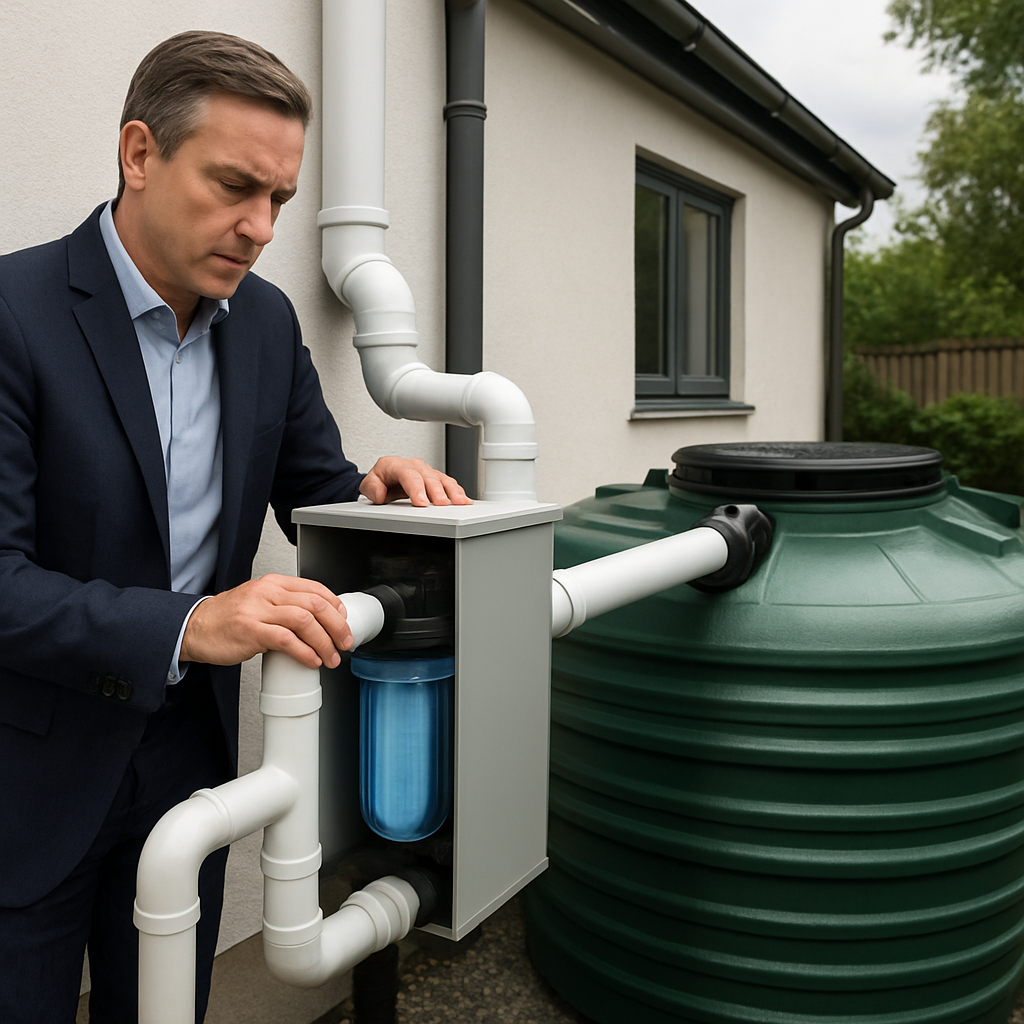
Understanding Rainwater Harvesting Tanks for Residential Water Supply
Rainwater harvesting tanks offer a straightforward, effective solution for residents seeking an independent, sustainable water supply. By capturing and storing rainfall, homeowners can reduce reliance on municipal sources, minimize utility bills, and ensure water availability during dry spells. Properly installed systems, combined with effective filtration, can deliver high-quality water suitable for domestic use—even drinking—when designed and maintained according to best practices. Rainwater harvesting remains both cost-effective and adaptable, supporting everything from backyard gardens to off-grid living.
Assessing Tank Costs: Key Factors and Budget Ranges
Tank pricing varies widely based on several major criteria, including capacity, material, shape, and installation complexity. Smaller above-ground plastic tanks (100 to 500 gallons) for home gardens or basic home use typically range from $150 to $1,500, while larger systems (1,000 gallons or more) may reach upwards of $3,000 to $10,000 depending on features and inclusion of integrated filters.
Underground tanks carry additional excavation and reinforcement costs, and premium filtration systems may increase the total investment. Costs also fluctuate depending on whether you purchase from specialized retailers or home improvement outlets like Home Depot, where standalone tanks are available in various sizes.
For budget-conscious homeowners, DIY installation can cut costs significantly, though it is essential to balance affordability with proper safety and water quality considerations. Always include plumbing, rainwater collection pipes, and accessible maintenance hatches in your budgeting.
Remember to factor in region-specific prices and the potential need for professional installation, especially for larger or underground tanks.
Filtration System Essentials for Safe Water Use
Effective filtration is vital for converting collected rainwater into potable or irrigation-ready water. Filtration starts with debris screens or gutter guards at the catchment area to prevent leaves, insects, and coarse materials from entering the system.
Secondary filters, such as sediment cartridges and activated carbon, remove finer particles and contaminants. For systems intended to provide drinking water, an additional disinfection step is recommended—ultraviolet (UV) treatment or chlorination—ensuring microbial safety.
Homemade or DIY filtration setups may utilize gravel, sand, or charcoal, but homeowners should verify performance and upgrade when possible. An optimal setup combines pre-filters, multi-stage internal filters, and routine cleaning to maintain consistent water quality, as emphasized by guides like the U.S. Department of Energy's review on rainwater harvesting technology.
Designing and Sizing Your Collection Tank for Efficiency
Proper tank sizing is critical for matching storage to expected rainfall and household needs. Start by calculating your rooftop catchment area and average monthly rainfall; a widely used formula multiplies roof area by rainfall depth and a suitable collection efficiency factor to determine potential yield.
Consider the frequency and duration of dry periods in your region—a larger tank provides buffer capacity during droughts. Residential users often select tanks from 500 to over 2,000 gallons, while small-scale garden uses can suffice with 100 to 300 gallons. Refer to comprehensive design guides and calculators to optimize sizing for your climate patterns, water demand, and available installation space.
Beyond tank size, assess accessibility for cleaning, overflow protection, tap placement, and child safety. Proper tank placement—shaded, stable, and close to the downspout—extends lifespan and convenience.
Residential Applications: Practical Uses and Advantages
Rainwater harvesting serves a variety of residential needs. Primary uses include landscape and garden irrigation, car washing, flushing toilets, and providing water during shortages or emergencies. For off-grid living, fully-integrated tank and filtration systems can support drinking, bathing, and cooking if all health standards are met.
Benefits extend beyond water supply reliability: rainwater harvesting systems reduce stormwater runoff, which lessens the strain on sewage infrastructure and helps keep contaminants away from local waterways. Homeowners can cut water bills, diminish their environmental footprint, and promote resilience within their communities.
While comprehensive system planning takes effort, the long-term advantages—including financial savings, water security, and environmental preservation—far outweigh the investment for most residential users. Refer to in-depth resources like Treehugger's rainwater harvesting guide for diverse installation and usage scenarios.
Every rainwater harvesting tank, when professionally designed, carefully installed, and regularly maintained, can transform ordinary rainfall into a reliable and sustainable asset for any home.


Comments
Post a Comment