Vegetable Garden Fertilizer Chart: Best N-P-K Ratio, Organic Options & Application Timing
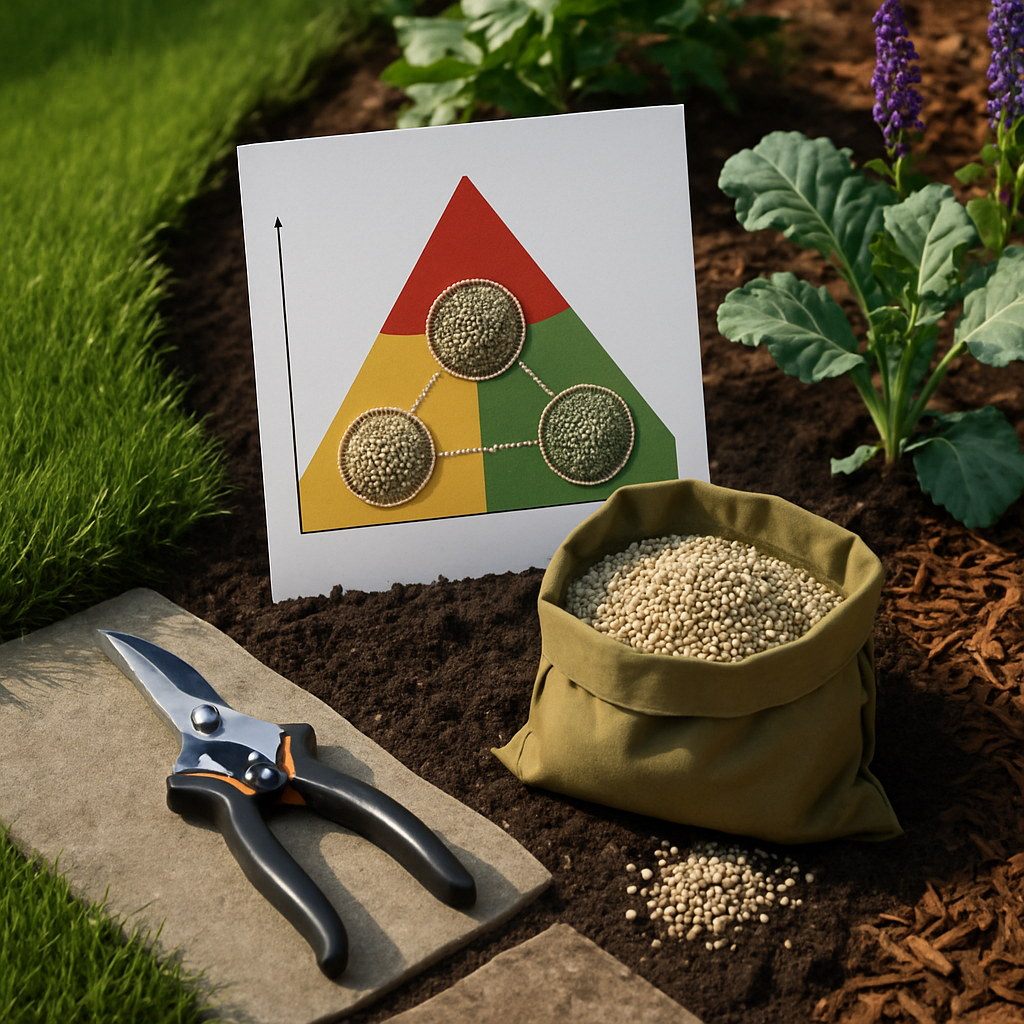
Understanding N-P-K Ratios and Fertilizer Choices for Your Vegetable Garden
If you want healthy, productive vegetable plants, matching the right fertilizer and application timing to your crops is essential. The best vegetable garden fertilizer chart highlights specific N-P-K ratios suited for leafy greens, roots, fruits, and more, ensuring plants get the balanced nutrition they need for lush growth and bountiful harvests. Quickly refer to the chart below to determine what to apply, when, and how.
N-P-K stands for nitrogen (N), phosphorus (P), and potassium (K), the major nutrients plants need for growth, strong roots, and fruit development. Understanding these ratios helps you select the right product, whether you use organic, granular, or liquid fertilizer. Timing—before planting, during growth, and after flowering—also plays a key role in maximizing yields and avoiding nutrient deficiencies.
Fertilizer Chart Basics: Comparing Products for Different Vegetables
When it comes to choosing a fertilizer, knowing what your specific vegetables require can make a significant difference.
- Leafy greens (lettuce, spinach): benefit from balanced fertilizers like 10-10-10 or 16-16-16.
- Fruiting crops (tomatoes, peppers): often thrive with a lower nitrogen, higher phosphorus potassium blend such as 6-24-24, 8-16-16, or 6-12-18.
- Root vegetables (carrots, beets): perform well when pre-plant fertilizer is incorporated and often do not require further feeding.
- Outdoor containers and raised beds: May need more frequent liquid fertilizer, especially with fast-draining soils.
Whether you opt for organic choices or standard granular blends, always use products according to label directions, matching the N-P-K values to crop type and stage. For a quick reference chart and in-depth N-P-K recommendations, see the University of Nevada's official fertilizer guidelines.
Check your soil condition with professional testing services to fine-tune your approach. Recommendations—such as those from UConn's soil testing lab—can help determine if extra nutrients or organic amendments are needed for your region or crop selection.
Organic and Homemade Fertilizer Options for the Garden
Many gardeners are moving toward organic fertilizers due to concerns about soil health and environmental impact. Compost, aged manure, bone meal, and blood meal are common organic choices. These often measure lower in N-P-K than synthetic options but release nutrients more slowly and improve soil texture over time. Homemade liquid feeds, like compost tea, can also provide a quick boost for seedlings and container vegetables.
Whether purchased or homemade, organic fertilizers should be matched to your crops' nutrient needs. For leafy greens, a nitrogen-rich source such as blood meal or diluted fish emulsion is often best, while root crops will prefer lower nitrogen, higher phosphorus blends. Always apply these amendments before planting and, during the season, under mulch for best results.
Consider combining different organic materials to achieve a balanced nutrient ratio, especially in raised beds where soil can become depleted more quickly. Make sure all homemade recipes are fully decomposed or diluted to avoid burning tender seedlings.
Remember, while organic fertilizers support plant health, they work best in partnership with a robust soil-building program that includes regular compost additions and crop rotation.
Application Timing: When and How Often to Fertilize
Applying fertilizer at the right time is as important as choosing the correct product. For most vegetable gardens, the process includes two main stages:
- Pre-planting: Incorporate a complete fertilizer into the top 2-3 inches of soil before seeding or transplanting, ensuring even nutrient availability.
- Side-dressing: During the growing season, especially for heavy feeders (corn, tomatoes, onions, potatoes), supplement with nitrogen as a side-dress once plants are established and before flowering. Watch for pale or yellowing leaves, which signal a need for extra nitrogen.
Crops like beans, carrots, and beets usually only need the pre-planting step, while fruiting and long-season crops benefit from ongoing feeding. For outdoor containers or raised beds, consider using a dilute liquid fertilizer every 2-3 weeks, as nutrients leach quickly from lighter soils. The best time of day to apply is either in the early morning or late afternoon when evaporation is low, reducing risk of fertilizer burn.
Understanding Fertilizer Forms: Granular, Liquid, and Timing Considerations
Garden fertilizers come in many forms, each suited for specific needs:
- Granular slow-release: Ideal for initial soil preparation and steady, long-term feeding. Requires thorough mixing into the soil before planting.
- Water-soluble liquids: Quick boost for seedlings or rapidly growing outdoor plants, easy to apply through watering cans or hose attachments.
- Organic blends: Offer gentle, sustained nutrition and soil improvement, but may need supplementing for high-yield crops.
Many gardeners experiment with both commercial and homemade options for best results. It's important not to over-fertilize—too much can damage roots or create lush foliage at the expense of fruits. Always match the amount, type, and timing of fertilizer to your garden's specific needs and follow guidance from trusted resources such as Extension recommendations.
For those gardening in pots or containers, pay extra attention to drainage and frequency of feeding, since nutrients can be depleted quickly in small volumes of soil.
Quick Reference: Best Fertilizer Recipes and Sample Garden Chart
Use the following sample N-P-K chart and simple recipes for a productive home vegetable garden:
- Leafy vegetables: 10-10-10 (apply before planting, side-dress once after 4-5 weeks if needed)
- Root crops: 8-16-16 (thoroughly mixed before seeding, usually no side-dress needed)
- Fruiting/flowering vegetables: 6-24-24 or 6-12-18 (apply before planting, side-dress with 21-0-0 after first fruits set)
- Organic recipe: Mix 2 parts compost, 1 part bone meal, 1 part blood meal and 1 part wood ash for a balanced, all-purpose fertilizer (work into soil before planting)
For a printable, regionally tailored guide, download the Vegetable Garden Fertilizer Chart PDF from University of Nevada Extension. Integrate soil testing when possible for custom recommendations that address unique garden conditions.
Achieving the right balance of nutrients, matched to crop and season, is the key to vibrant, productive vegetable gardens year after year.


Comments
Post a Comment